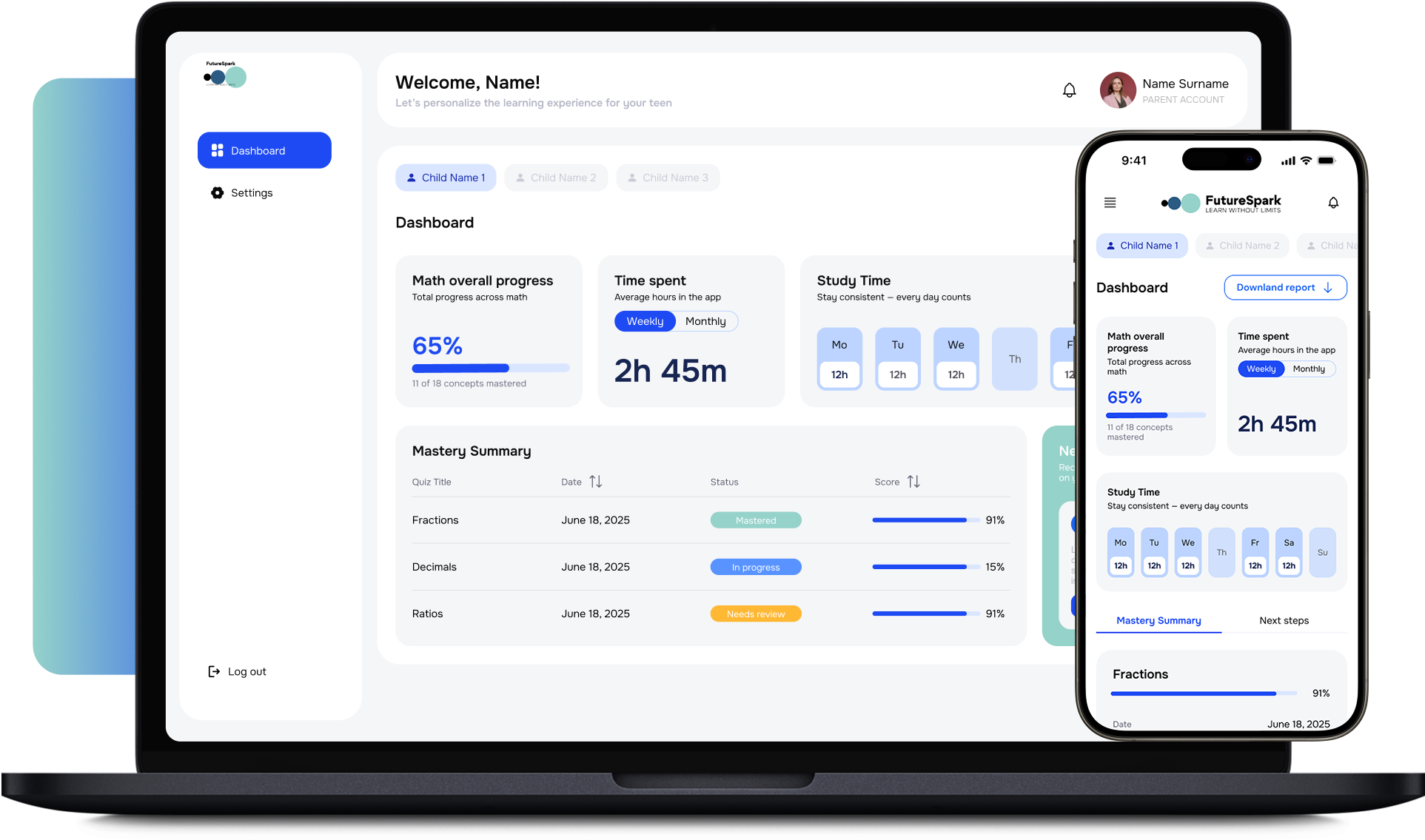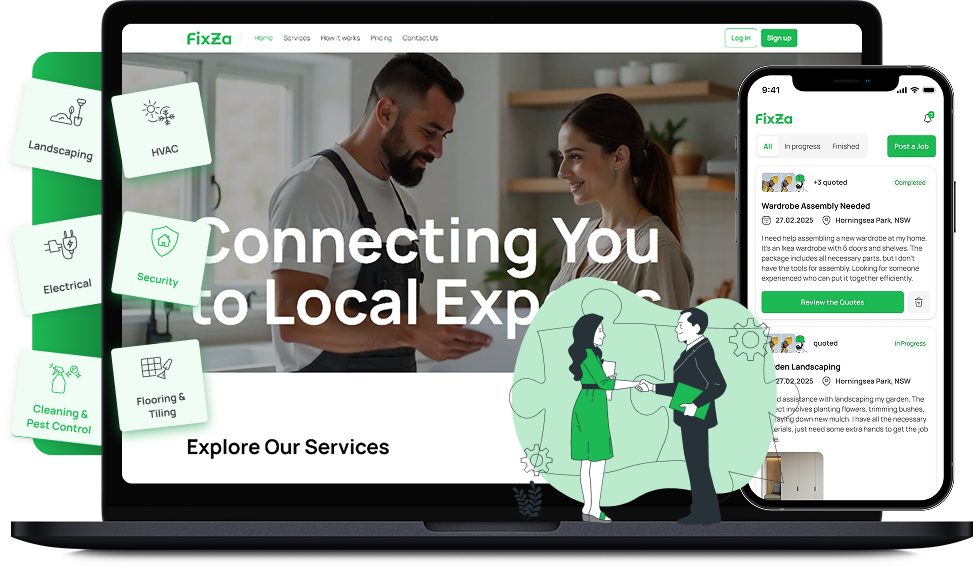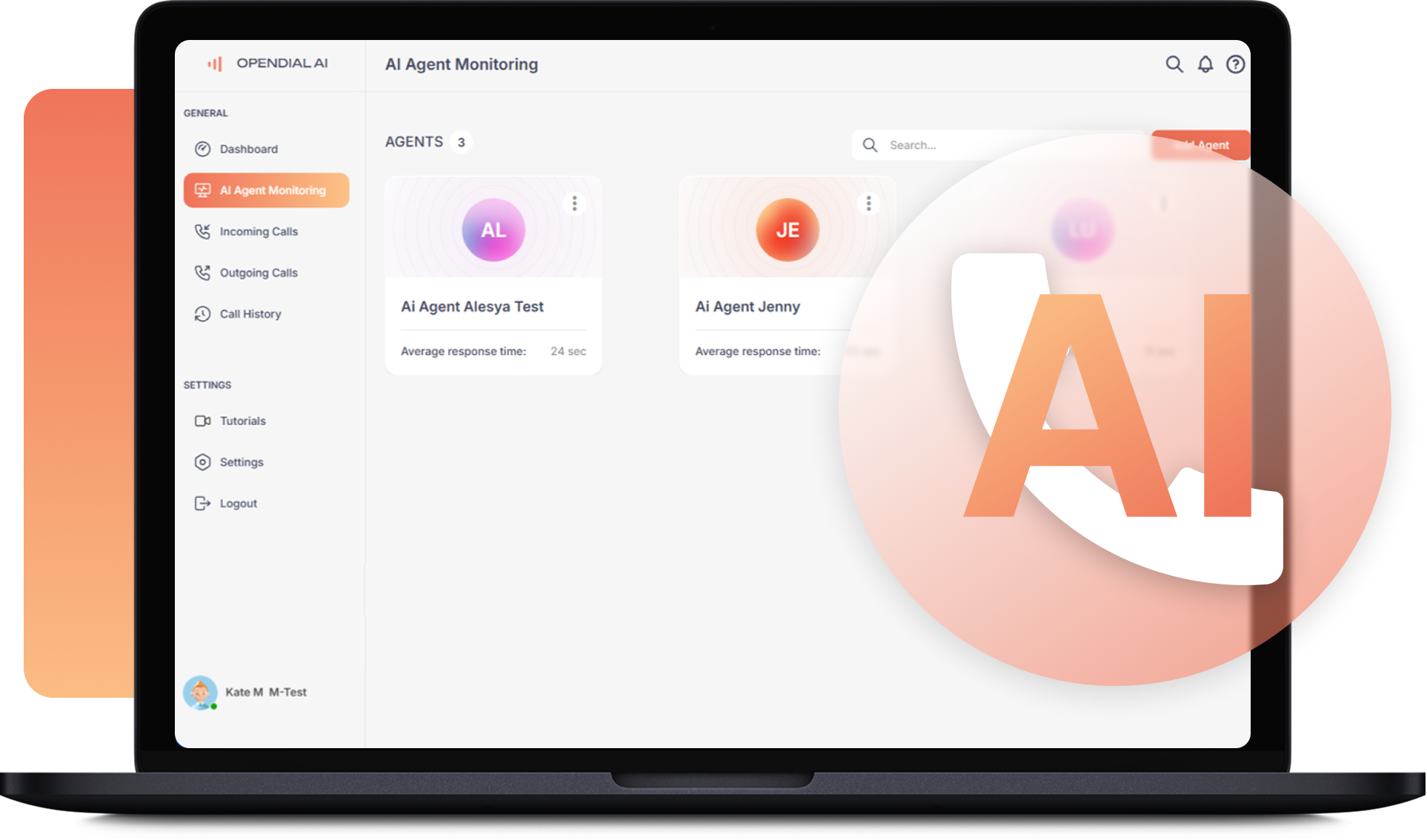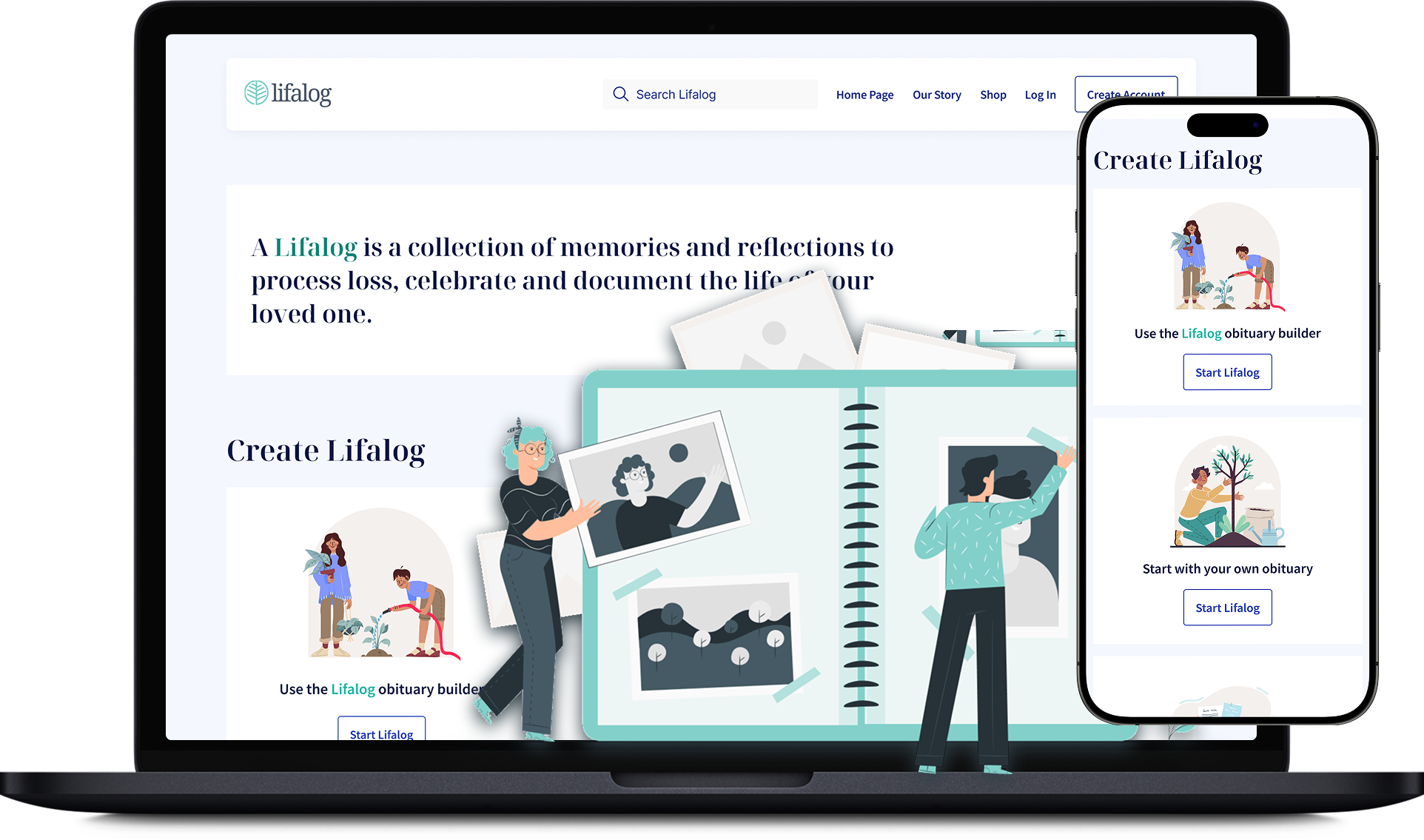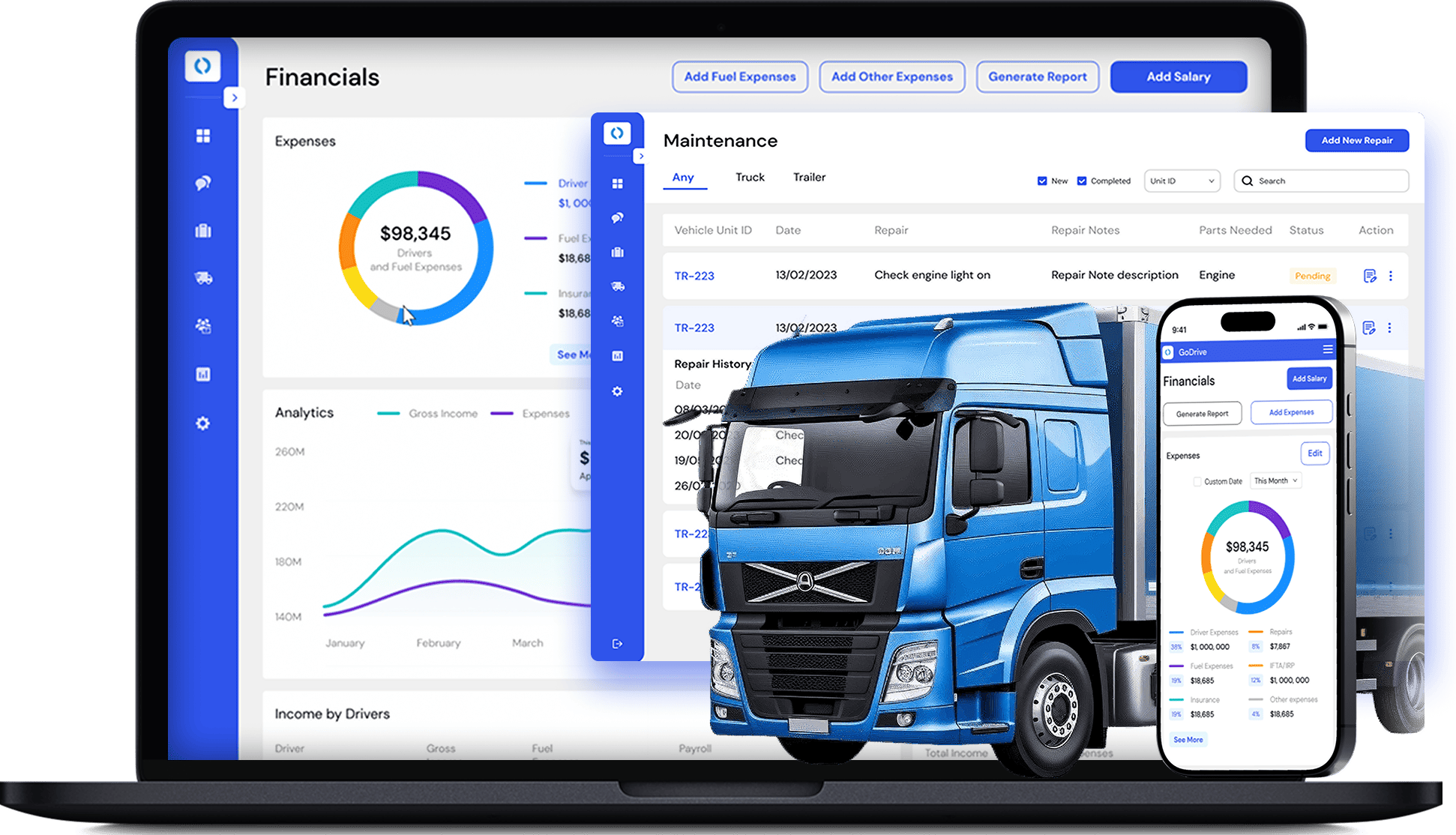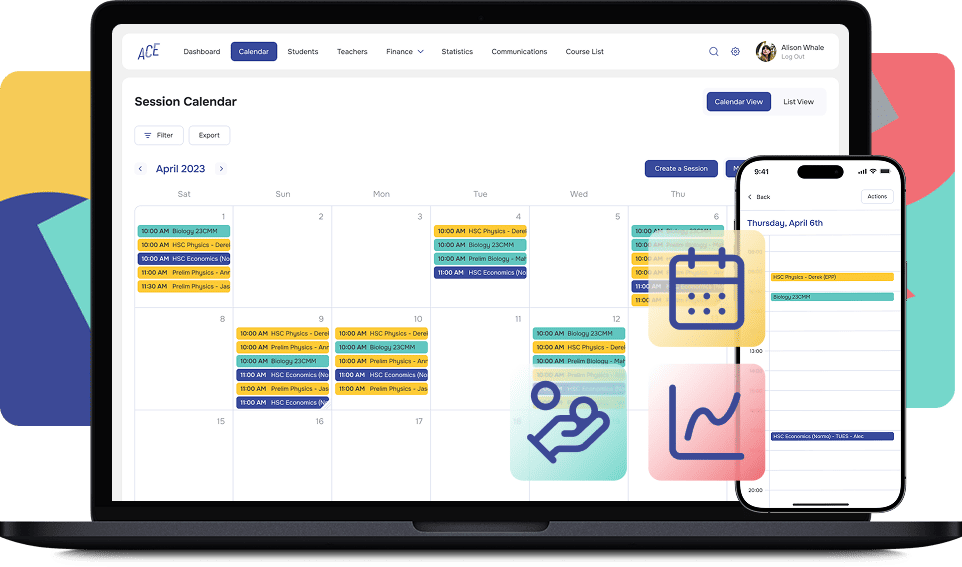
Native iOS apps
Native iPhone and iPad apps built in Swift and SwiftUI. Deep iOS integration — widgets, Live Activities, StoreKit, Apple Sign-In, HealthKit.
- App Store release
- TestFlight pipeline
- Push + deep links
- Widget extensions
NerdHeadz is an AI-first software development studio. We design, build, and ship native iOS and Android apps, cross-platform mobile apps, web applications, progressive web apps, and the backend APIs they run on — for founders, product teams, and enterprises.
NerdHeadz is a custom software development studio. We build apps from scratch — native iOS in Swift, native Android in Kotlin, cross-platform mobile in React Native and Flutter, and web applications in Next.js and TypeScript. We also build the backend APIs, databases, and AI layers that make those apps useful.
Most clients come to us with one of three problems: ship a first product in a quarter, add AI to a product that already exists, or rescue a build that another agency got wrong. We handle all three. We charge a fair price, tell you the truth about the scope, and hand over a codebase you can hire a team around after launch.
Every product we build falls into one of these buckets — often two or three of them at once. Tap into the details or keep reading for how we actually deliver them.
Native iPhone and iPad apps built in Swift and SwiftUI. Deep iOS integration — widgets, Live Activities, StoreKit, Apple Sign-In, HealthKit.
Kotlin and Jetpack Compose apps with Material 3. Play Store ready, with background work, WorkManager, and Play Billing built in.

One codebase, two stores. React Native and Flutter apps that ship to iOS and Android together — without the usual cross-platform tax.

Production web apps — dashboards, SaaS, portals, marketplaces. Next.js 15, React Server Components, TypeScript end-to-end.

Installable web apps that work offline, push notifications included. One build, runs everywhere — iOS, Android, desktop browsers.
The engine behind the app — REST and GraphQL APIs, background jobs, webhooks, and the database schema that scales past the first 10k users.
We run two-week sprints from day one. You see real software — not slideware — on a schedule you can plan around.
Stakeholder interviews, existing-product audit, success metrics. We come back with a written brief, scope, and a risk log — signed before anyone writes code.
Research, wireframes, hi-fi flows, and a working design system. Claude-accelerated iteration: 3× the screen variants, same taste.
Fortnightly sprints. You see a deployed build every Friday — not a Figma. Test users from week three, not launch day.
Device-lab testing, accessibility audit, performance budgets, security review. App Store and Play Store submissions, not "code complete".
Staged rollout, analytics dashboards, crash reporting, status page. Your on-call rotation hands over cleanly — we stay on for 30 days of warranty.
Monthly roadmap reviews, feature sprints, and an SLA if you want one. Most clients keep us on for 6 – 18 months after launch.
We use the same stack large engineering teams use in production — no proprietary lock-in, no bespoke framework you’ll need to replace later.
We’ve built across regulated and unregulated markets. The shortlist — where we have real, shipped-to-production experience.
Regulated apps that handle money — KYC, PCI-compliant payment flows, real-time ledgers.
HIPAA-aware systems, patient data, clinical workflows, telehealth, and wearables.
Student platforms, AI tutors, assessment engines, and institution dashboards.
Dispatch, routing, driver apps, live tracking, and the integrations no one wants to write.
Buyers, sellers, payments, trust — including the moderation and dispute flows that keep it honest.
Multi-tenant dashboards, billing, RBAC, audit logs, and the admin surface your team actually needs.
Every agency claims "senior team, fast delivery". Here’s what those words mean in practice, with us.
Every Friday there’s a deployed build you can open on your phone. No two-month "prep for the demo" gap.
We use Claude Code daily in our own build process — which is why we can move 2 – 3× faster than a traditional agency on the same scope.
Design, mobile, backend, and infra all under one roof. Tickets don’t get lost between four vendors.
No junior-hidden-in-the-middle. Every person on your project has shipped a product to production in the last year.
Honest, opinionated answers to the choices that shape every build. Pick the wrong one and the project costs twice as much.
Cross-platform (React Native, Flutter) is the right choice when the product is mostly business logic, forms, lists, and API calls — roughly 80% of apps. Native (Swift, Kotlin) is the right choice when the app leans on OS-specific features (Live Activities, ARKit, HealthKit, advanced widgets, Bluetooth mesh) or needs heavy local compute like video editing.
Ship a PWA when the audience will reach the product through a URL — B2B tools, internal software, content platforms. Ship a mobile app when discovery happens inside the App Store or Play Store, when engagement depends on push notifications, or when the product needs Apple Pay / Google Pay / in-app purchases. Many products eventually ship both.
Build in-house when the software is core intellectual property and the organisation can hire a senior product engineer, a senior designer, and a senior mobile engineer within three months. Work with an agency (like us) when you need to move in weeks, when the skill mix you need is temporary, or when the product is adjacent to the core business.
Rewrites are tempting but rarely the right call. An in-place modernisation — replacing screens one at a time, extracting the backend into a modern API gateway, migrating the data layer behind a feature flag — preserves the compounded value of years of bug fixes and edge-case handling. We rewrite only when the legacy stack is genuinely unhireable for.
Every project ends with the same four-bucket package — code, design, operations, and a clean handover. Nothing locked in our accounts.
The terms our clients ask about most. Plain-English answers — written for humans first, search and answer engines second.
Custom software development is the discipline of designing, building, and maintaining software tailored to a specific organization’s workflows — instead of buying an off-the-shelf product. At NerdHeadz, a typical custom software project involves a discovery phase, UX and UI design, application engineering (web, mobile, or both), a backend API layer, and a deployment plus monitoring setup.
Native iOS app development means building an iPhone or iPad application in Apple’s own languages and frameworks — primarily Swift and SwiftUI, using Xcode and the App Store distribution pipeline. Native apps have full access to iOS features like Live Activities, widgets, HealthKit, ARKit, and StoreKit, and they ship with the best possible performance and battery life.
Native Android app development is the practice of building an Android application in Kotlin (or, historically, Java) with Google’s Jetpack toolkit — most commonly Jetpack Compose for the UI layer. Native Android apps have full access to the Android OS, hardware sensors, background work APIs, and the Play Billing and Play Store distribution channels.
Cross-platform app development is the practice of building a single codebase that compiles to both iOS and Android — typically using React Native, Expo, or Flutter. It is usually 40 – 60% cheaper than building two native apps in parallel, at the cost of slightly less access to the very latest OS features. Most business and content apps do not notice the difference.
A progressive web app is a website that meets a set of technical criteria — HTTPS, a service worker, a web app manifest — so that it can be installed on a phone or desktop and behave like a native app. PWAs can work offline, receive push notifications, and are distributed through a URL rather than through an app store.
A backend API is the server-side component of an application that stores data, enforces business rules, and handles requests from mobile apps, web apps, and third-party integrations. At NerdHeadz, backend APIs are typically built in Node.js, Python, or Go, and communicate via REST or GraphQL over HTTPS.
An MVP, or minimum viable product, is the smallest version of a product that still delivers core value to a real user. It is used to validate a product hypothesis cheaply and quickly, before committing to a full build. A NerdHeadz MVP typically ships in 6 – 10 weeks and comes with a real user auth flow, a deployed backend, and enough instrumentation to learn from actual usage.
A SaaS (software-as-a-service) application is a product sold as an ongoing subscription rather than a one-time license. It is typically multi-tenant — one codebase serving many customer organisations with isolated data. NerdHeadz builds SaaS apps on Next.js, Postgres, Stripe, and Supabase or a custom auth layer.
The ten questions every client asks before signing. If yours isn’t here, the fastest answer is a 30-minute call — we’ll tell you straight whether we’re the right fit.
Thirty minutes, no slide deck. Bring a Figma, a repo, or a napkin sketch — we’ll come back with a shape, a timeline, and a number.