AI adoption growth · 2023 → 2026
Large enterprise AI adoption nearly doubled in 3 years. SMB adoption doubled in the same period. The gap is closing fast.
Source: McKinsey State of AI 2024–2026 · Salesforce Small Business Trends Report 2024–2026

Small, owned, AI-powered tools that solve one painful workflow at a time. $3k to $15k. Shipped in 2 to 4 weeks. Yours to extend with Claude Code, Cursor, or your in-house engineers. We call this Selfware — bespoke software you can grow yourself.

An AI-enabled tool is a small, focused piece of custom software that uses AI to solve one specific workflow problem — usually for one team, one operational pain point, one repeatable task. Not a platform. Not a transformation initiative. A tool.
The category emerged because the math changed. In 2022, building a custom AI feature cost six figures and took six months. By 2026, with Claude Code driving the build and the major LLM APIs commoditized, the same tool ships in two to four weeks for under $15k. That collapses the business case from “AI moonshot” to “one-quarter operational investment.”
AI-enabled tools are the opposite of AI transformation programs. Where a transformation initiative tries to reshape an entire department, a Selfware tool addresses one named workflow: “the team spends six hours a week manually extracting line items from supplier invoices” or “sales ops drafts 40 outbound emails a day from scratch.” Each tool earns back its cost in the first quarter and either gets extended or quietly retires when the workflow changes.
Three numbers from published 2025–2026 research that explain why custom AI tools are no longer a competitive advantage — they're a competitive baseline.
Large enterprise AI adoption nearly doubled in 3 years. SMB adoption doubled in the same period. The gap is closing fast.
Source: McKinsey State of AI 2024–2026 · Salesforce Small Business Trends Report 2024–2026

62% of AI automation projects reach payback within 6 months. The smallest, most-focused tools tend to land in the leftmost bucket.
Source: Master of Code AI Automation ROI Report 2026 · Deloitte enterprise AI study
Where your AI tool budget pays back fastest. Customer service and data extraction lead — every other department lags by 6–9 months on payback.
Source: McKinsey via AdAI News, AI Automation Statistics 2026
The honest answer is “probably a tool first.” Here's the trade-off matrix we walk every scoping call through.
We almost always recommend starting with one tool. Most clients who start small ship the first tool, see real ROI in 60–90 days, and only then commit to a second or third. The 5% of clients who actually need a platform on day one usually know it — they've already shipped the first three tools manually and are scaling to ten.
Every project we've shipped fits one of eight patterns. If your idea sounds like any of these, we've built it before and can quote it within a day.
Pull structured data out of PDFs, emails, invoices, contracts, forms.
Extracting line items + tax + supplier name from 300 PDF invoices per week into a spreadsheet.
Generate first drafts of outbound emails, social posts, internal docs, briefs.
Drafting 40 personalized outbound sales emails per day from CRM data + Apollo enrichment.
Classify, route, and pre-respond to incoming messages — email, support tickets, internal requests.
Triaging support inbox to tier-1 auto-response, tier-2 routing, tier-3 escalation with summary.
Automate competitive research, market scans, prospect deep-dives, content analysis.
Nightly competitor pricing-page scan with structured diff report into Slack.
RAG over your docs, tickets, contracts, call transcripts — your team asks questions in natural language.
“What's our refund policy for Enterprise tier?” → grounded answer with source citation.
Custom chatbots — lead qualification, onboarding, internal Q&A, support tier-1.
Sales-qualification chatbot on a landing page that scores leads + books meetings.
Auto-tag transactions, categorize tickets, label content, score prospects.
Auto-categorizing 5,000 monthly Stripe transactions into accounting cost centers.
Watch for changes — competitor pricing, regulatory documents, internal anomalies — and alert with structured summaries.
Nightly scan of 50 client contract PDFs for clause changes; flag deltas to legal.
Selfware is our productized approach to small AI tools. The economics work because every project follows the same four-step pattern, and because we use AI-assisted development (Claude Code, Cursor) to compress the mechanical work.
Most clients don't need a custom proposal process, a six-week discovery, or a 40-page architecture doc. They need a tool that does the thing. The methodology below is designed around that.
Confirm the workflow, scope the tool, quote on the call.
Written 1-page spec — inputs, outputs, edge cases, success criteria.
Working tool deployed to your environment, AI-assisted with Claude Code.
Runbook + Loom walkthrough + CLAUDE.md so your team can extend it.
Total cycle: 2 to 4 weeks from scoping call to working tool. Fixed-price after step 2. No long-tail consulting hours. No platform lock-in. The tool runs on your infrastructure (or our staging environment, if you don't have one yet — we'll set it up).

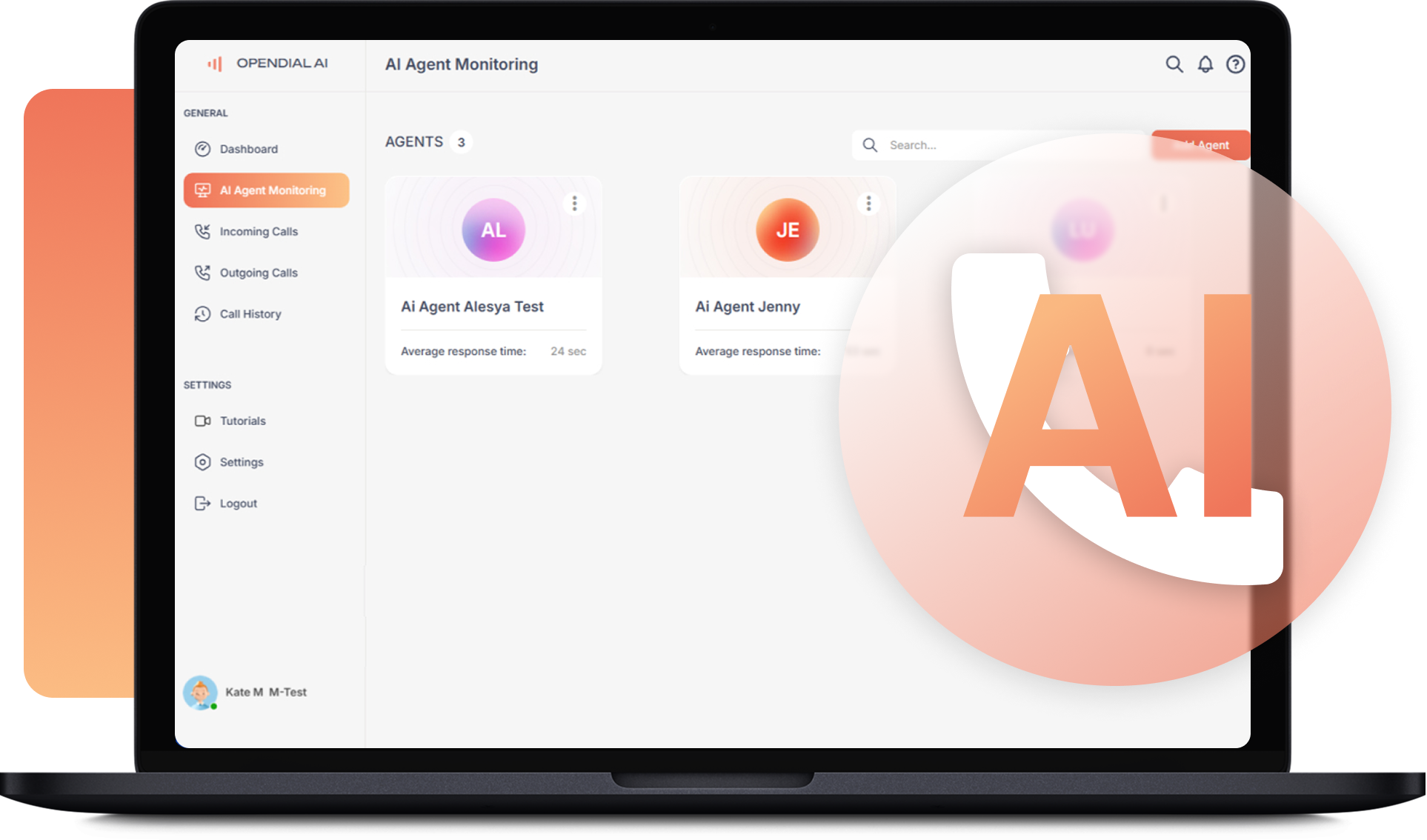
Automated outbound sales calls powered by Bland.ai, custom call routing, real-time transcript indexing, and a dashboard for sales managers to review.

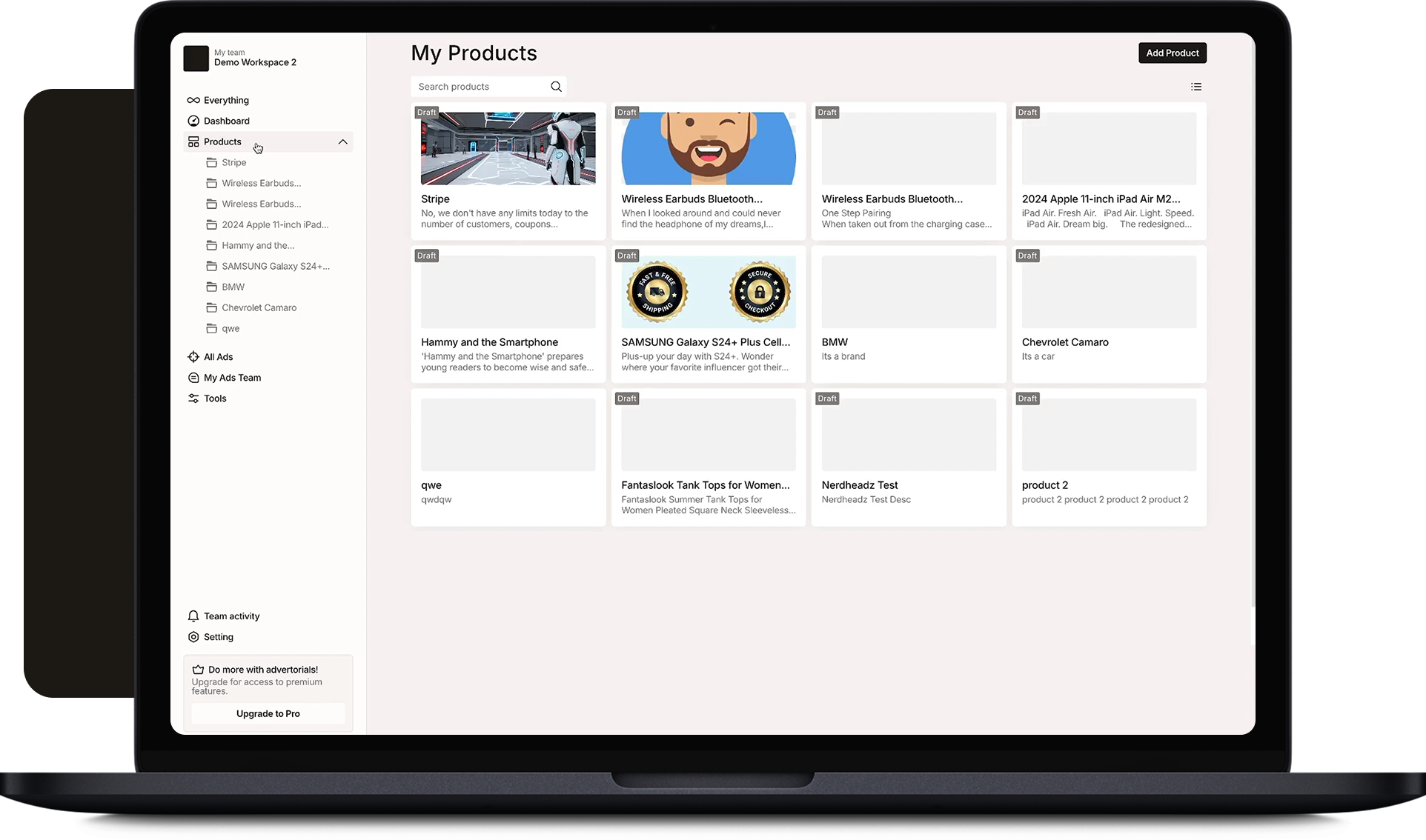
AI-driven advertorial generation and management — content generation, asset assembly, A/B testing variants, performance tracking.

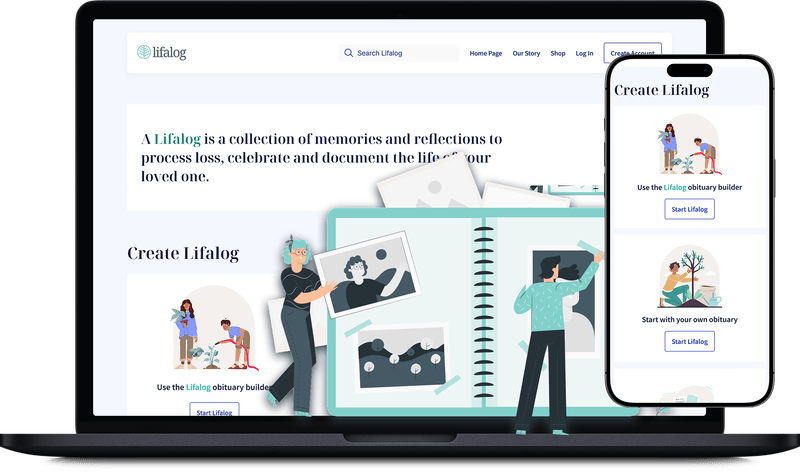
AI-powered obituary builder with a grief-journal companion — natural-language obit drafting, photo asset assembly, sharable memorial pages.
On shipping AI tools that paid for themselves in the first quarter.
This system has been a dream of mine for almost a year. I have tried to build it myself and finally came to the conclusion I needed help. The NerdHeadz team has built me exactly what I was dreaming about and more! Working with them has been an absolute pleasure. I can't thank them enough.
Every project fits one of eight archetypes we've shipped multiple times. That's why we can quote on the scoping call and ship in 2–4 weeks.
The code, the prompts, the API keys, the infrastructure. No platform lock-in. No per-seat fees. Your team can extend the tool with Claude Code or Cursor after we leave.
We size every tool against a specific workflow with a specific hours-saved or dollars-recovered number. If the math doesn't work in one quarter, we say so before quoting.
About 20% of scoping calls end with us telling the client AI isn't the right answer for their workflow. We'd rather lose the contract than ship you a tool that doesn't earn its keep.
An AI-enabled tool is a small piece of custom software that uses an AI model (typically an LLM like Claude or GPT) to automate one specific workflow. It's smaller than an “AI platform” and more specific than a “general AI assistant” — a tool solves one named problem, like extracting line items from invoices or drafting personalized outbound emails.
Most NerdHeadz AI-enabled tools fall between $3k and $15k as a one-time fixed-price build. The price depends on the complexity of the workflow, the number of integrations, and whether the tool needs a user interface or runs headless. After the scoping call you get a fixed-price quote with no T&M surprises.
2 to 4 weeks from scoping call to working tool. Step 1 is a 30-minute scoping call. Step 2 is a 2–3 day spec lock. Step 3 is a 1–3 week build. Step 4 is a 2–3 day handoff. Fixed-price after step 2.
Yes. Full repository access, your AI provider accounts (Anthropic, OpenAI, etc.), your infrastructure. We don't keep black-box copies. After handoff, your team can extend the tool with Claude Code, Cursor, or any AI coding tool — the codebase is documented with a CLAUDE.md file specifically for that.
We pick the right model per project. Most often: Claude (Anthropic) for complex reasoning and content generation, GPT-4o / GPT-5 for general tasks, Groq for low-latency inference. For specific domains we use task-specific models — Whisper for audio, OCR-specialized models for documents, etc. The model choice goes in the spec doc before any code is written.
Yes — that's most of what these tools do. Common integrations: CRMs (HubSpot, Salesforce, Pipedrive, SalesPipe), email (Gmail, Outlook), Slack, accounting (Xero, QuickBooks, Stripe), file storage (Google Drive, Dropbox, S3), and custom internal APIs. If your stack has a REST or GraphQL API, we can wire it.
Take a real one: a 5-person sales team drafts outbound emails 40 a day each, ~30 min per email = 100 hours/week of senior time. An AI drafting tool that produces first drafts ready for 1-minute review cuts that to ~10 hours/week. 90 hours/week saved × ~$100/hour blended = $9,000/week recovered. A $10k tool pays back in 8 working days.
Three cases. (1) When the workflow doesn't have a clear input/output shape — if the team can't describe what “good” looks like, AI can't either. (2) When the volume is too low — automating something that happens 5 times a year doesn't justify the build. (3) When the workflow needs human judgment for legal, ethical, or accountability reasons (hiring decisions, medical diagnosis, regulatory filings).
That's literally the design intent. We hand off a CLAUDE.md file, a written runbook, and a Loom walkthrough. Your team uses Claude Code, Cursor, or your favorite AI coding tool to extend it. We've designed Selfware tools so they're extendable by mid-level engineers, not just by senior AI specialists.
Then we start with our AI development services instead. The “AI-enabled tools” category fits projects that solve one workflow at a time. Platform-scale projects (handling 10+ workflows, multi-tenant infrastructure, complex integrations) usually need a different scoping process and a different price tier.
30-minute scoping call. Bring the workflow that's eating your team's time — we'll come back with a tool spec, a fixed-price quote, and an honest read on whether AI is the right answer.