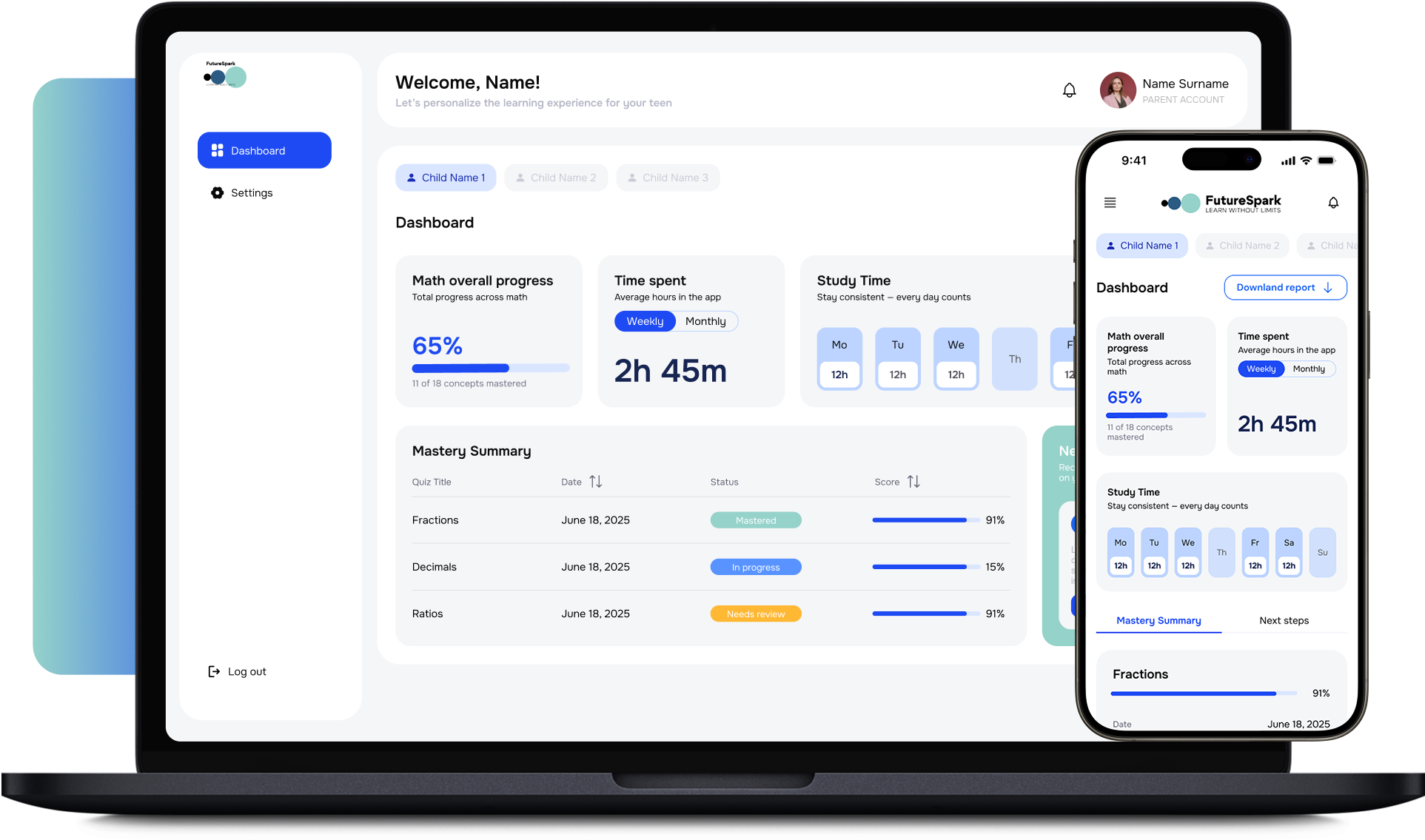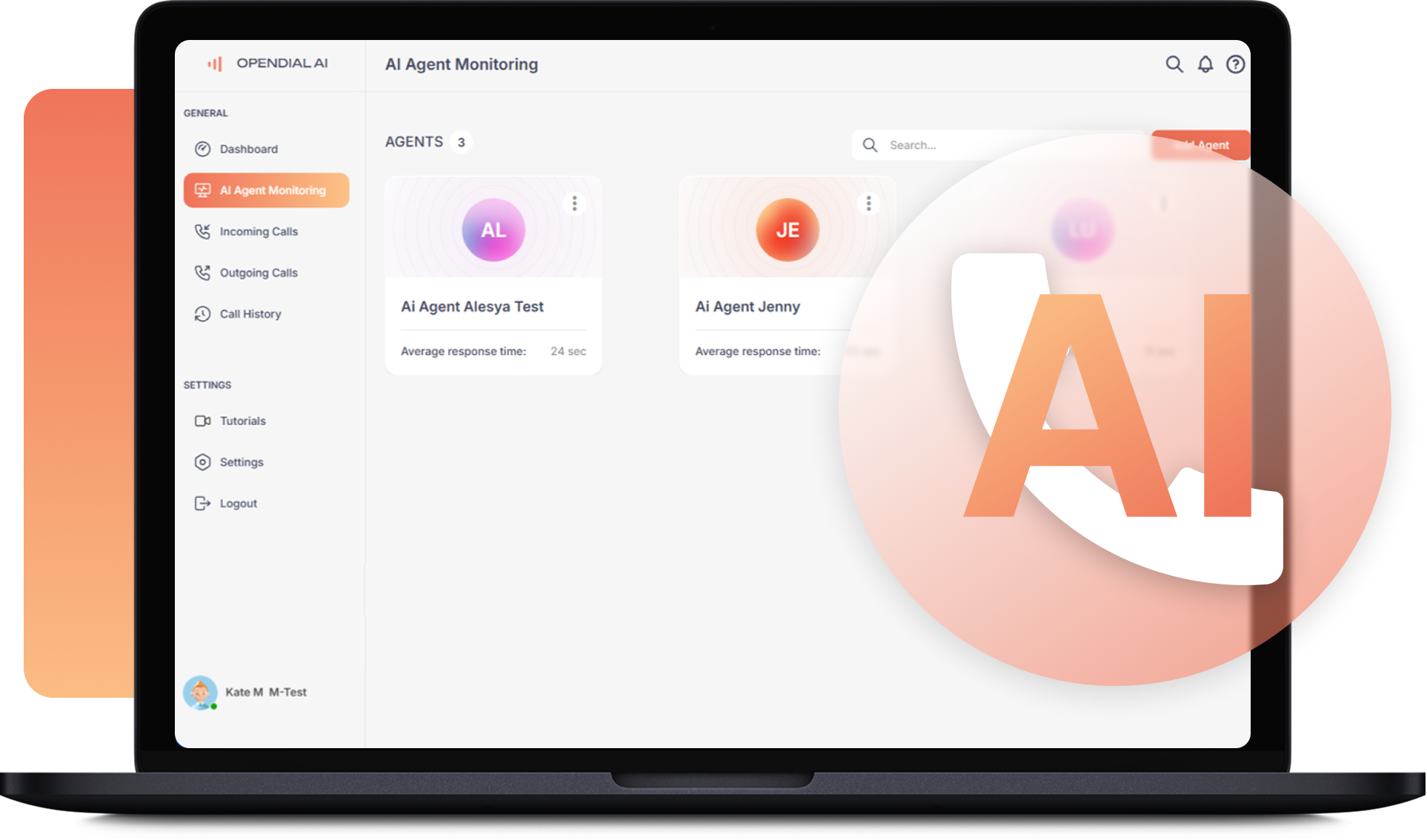
01 / 05
Schema-as-Code Modeling
Collection definitions in TypeScript, reviewable in pull requests, versioned with the application. New fields ship as commits, not admin clicks.
Payload runs in the same Node process as your Next.js app — no separate CMS service, no separate database, no separate deploy lifecycle. Schema-as-code, content next to product.
NerdHeadz ships Payload-powered products where the CMS lives in the same codebase as the application. Schema is TypeScript reviewed in pull requests. New content types ship as commits, not admin clicks. Migrations run alongside feature deploys, with the same test and rollback story. The result: content velocity moves at engineering velocity, no separate CMS team or service to coordinate with.

Payload runs in the same Node process as your application. Schema in TypeScript, content in your repo, no second service to monitor — and content velocity that moves at engineering velocity.
Collection definitions in TypeScript, reviewable in pull requests, versioned with the application. New fields ship as commits, not admin clicks.
Admin UI and public site share the same Node process. No separate CMS service to deploy, monitor, or scale. Same uptime envelope as the app.
New CMS content ships as versioned npx tsx scripts. Reproducible, environment-aware, reviewable in PR diffs. Deploys are git pushes, not admin clicks.
Default to MongoDB for document-shaped content; Postgres when relational data dominates. Both are first-class adapters in Payload v3.
CMS edits trigger revalidatePath automatically. No manual cache invalidation after content changes, no CDN purge dance.
Most headless CMS choices add a second system to the stack — separate Node service, separate database, separate access keys, separate deploy lifecycle, separate "is the staging CMS up" question on Friday afternoons. Payload collapses that. Same Node process as the application, schema declared in TypeScript and committed to git, content stored in the database the rest of the product uses. The CMS becomes part of the build, not a service that has to be reachable for the build to succeed. Running this site, we never ask "is the CMS up" — if Next.js is up, the admin UI is up. Same uptime envelope. Same observability. One thing to monitor.

Honest counter-cases. Non-technical content teams that want pure click-to-publish without engineering involvement get a sharper experience on Sanity or WordPress — Payload's admin is good but it expects editors who can navigate a TypeScript-shaped field model. Multi-tenant SaaS where each customer needs their own isolated CMS instance is a poor fit; Payload runs in your app, not as a hosted service per tenant. Marketing copy that does not justify a database — five pages of static text with occasional updates — is faster as MDX in the repo than as Payload collections. And teams without TypeScript fluency will struggle: schema-as-code is the feature, but only when the team can read the code.
After running it on this site for months, the workflow shapes that stuck:
- Collections that mirror site sections. Portfolios, services, industries, technologies, blog posts — each one its own collection definition in src/collections/, slug field drives the URL.
- The seoContent mini-parser. One textarea field that recognizes ## H2, - bullet, and HTML-allowed paragraphs. Custom small parser instead of a full markdown editor — non-devs do not get distracted by formatting toolbars; devs get the structural control they want.
- Idempotent seed scripts. Every new doc ships as a versioned src/scripts/seeds/<collection>/<slug>.ts file with import 'dotenv/config' at the top. Re-runnable, reviewable in PR diffs, environment-aware. Deploys are git pushes, not admin-UI clicks.
- Two-database setup. A production database and a staging database, the latter auto-synced from prod every five minutes. Editing in staging is throwaway by design — production is always the source of truth.
- afterChange hooks for revalidation. When a CMS doc updates, an afterChange hook fires revalidatePath on the affected route. No manual cache busts after content edits, no CDN purge dance.
For the broader engagement shape, see our web development team and custom software development approach.
Four tools we evaluate against Payload, with the actual trade-offs:
Strapi. Open-source, capable admin UI, plugin ecosystem. Trade-off: separate Node service plus separate database means twice the infrastructure surface. Our take: pick when the CMS team operates separately from the product team and they need a standalone tool — otherwise the operational tax outweighs the flexibility.
Sanity. Hosted backend with fast queries, real-time collaboration, and excellent content modeling. Trade-off: lock-in to their hosted service plus the GROQ query language. Our take: pick when content velocity matters more than infrastructure ownership and you are happy paying per seat.
Contentful. Enterprise-friendly workflows, robust roles, mature REST and GraphQL APIs. Trade-off: pricing scales steeply and the API is what you get. Our take: right for large enterprise content teams with budget and process; rarely the right call for product builds where the CMS is one component among many.
Payload. Same process as the app, schema-as-code, MongoDB or Postgres, self-hosted by default, free and open-source. Trade-off: ties content modeling to engineering ramp; non-technical teams cannot extend the schema. Our take: our default for product teams who want a CMS without operational overhead and who would rather change a schema in a pull request than file a ticket. Pairs naturally with any framework on the same Node process — we ship it with Next.js most often.
It works well for a specific set of problem shapes — and fails predictably on others.
Engineering and content teams overlap. Schema changes ship as code in pull requests. CMS becomes part of the build, not a coordination point.
Sanity or WordPress give a sharper experience. Payload's admin is good but expects editors who can navigate a TypeScript-shaped field model.
Payload runs in your app, not as a hosted service per tenant. Multi-tenant CMS-per-customer needs a different shape.
Collection definitions in TypeScript, reviewable in pull requests, versioned with the application.
Admin UI and public site share the same Node process. No separate CMS service to deploy, monitor, or scale.
New CMS content ships as versioned npx tsx scripts. Reproducible, environment-aware, reviewable.
We default to MongoDB for document-shaped content; Postgres when relational data dominates.
CMS edits trigger revalidatePath automatically. No manual cache invalidation after content changes.
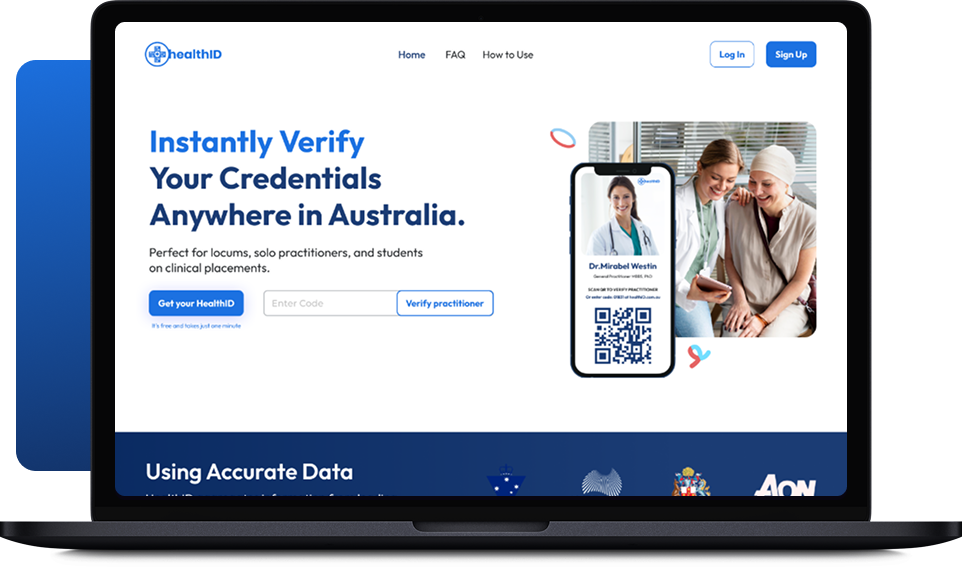
CMS-driven content layer for a healthcare credential platform. Schema versioned with the app; content changes shipped through code review.
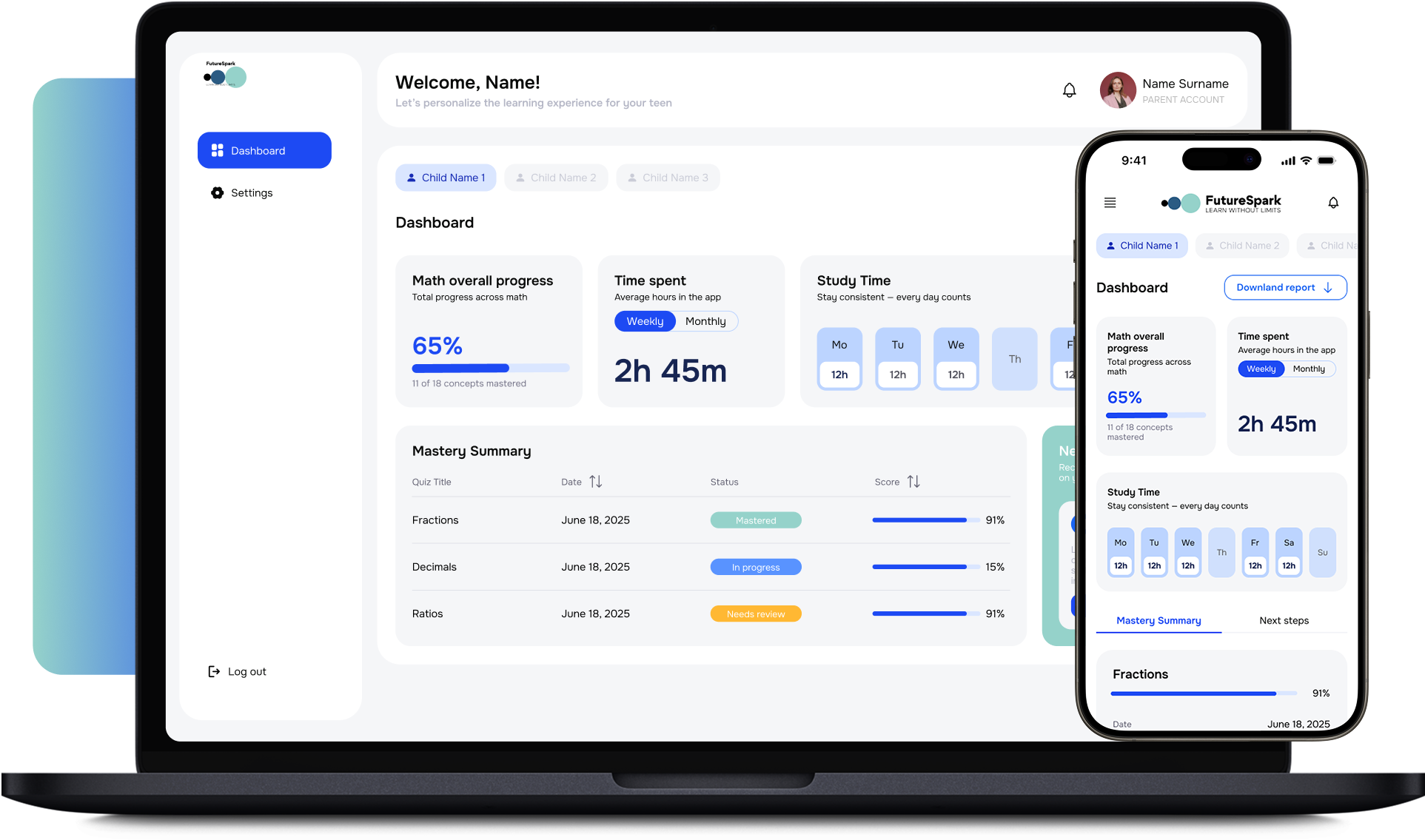
Editorial-heavy SaaS where content velocity matters. Payload admin staffed by the product team, not a separate content org.
Audit content shapes and team velocity. Identify which collections map to existing site sections versus what new collection types are needed.
Collection definitions in TypeScript with relationships, access rules, and field validations. PR-reviewable from the first commit.
Admin UI tweaks, custom field components where needed, idempotent seed scripts, afterChange hooks for revalidation.
Editorial runbook, walkthrough for the content team, and a two-week support window through the first wave of CMS edits.
Hear it straight from our customers.
This system has been a dream of mine for almost a year. I have tried to build it myself and finally came to the conclusion I needed help. The NerdHeadz team has built me exactly what I was dreaming about and more! Working with them has been an absolute pleasure. I can't thank them enough.
We take on tough challenges and turn them into simple, effective solutions for you.
We build fast, reliable apps that perfectly fit your project requirements.
Our solutions grow and adapt alongside your business, helping you stay ahead.
We maintain open communication and work with you every step of the way.
Depending on what you're actually building, one of these may fit better.
Ask our demo agent about scope, cost, and timelines. Hands you off to a human if you want.
Open the agent →30 minutes with one of our AI engineers. Scoped proposal back within 48 hours.
Pick a time →