
New product UX
Design a product people understand and convert on from day one.
Research-led product design — UX and UI built around your real users, measured against real KPIs, and handed off build-ready. The kind of design that lifts conversion and retention, not just looks nice in a deck.
Product design services cover the full arc from problem identification to designed solution — research, validation, interaction design, visual design, and a handoff package that engineering can actually build from. At NerdHeadz, product design is where strategy meets interface. We don't design screens in isolation; we design products alongside the engineers who will build them, which means every design decision passes a build-feasibility test before it lands in Figma.
The reason product design exists as a distinct service from UX/UI or web design is scope. UX/UI design refines the interface of a product that already exists. Web design ships a website. Product design starts earlier — before the interface exists — and answers the upstream questions: who is this for, what problem does it solve, how will we know it's working, and what's the fastest path to a version that real users can test? Our stack for the build phase is TypeScript, React, Next.js, and Claude Code, so design decisions are informed by what's actually shippable, not what looks good in a case study.
Discovery. We start with the business problem, not the interface. Who is the user, what are they trying to accomplish, what's the failure mode today, and what does success look like in metrics — not in pixels. Most product design engagements that fail, fail in this phase, because the wrong problem got scoped or the success criteria were too vague to measure. We spend one to two weeks here and produce a scope document with clear deliverables and a fixed-price quote.
Validation. Assumptions get tested before design begins. We run concept tests, prototype-to-real-user sessions, and competitive analysis to identify which assumptions are safe and which are dangerous. We use Figma for concept prototypes when the question is visual, but ship working prototypes in React and Next.js through our prototyping service when the question is "will they actually use this" rather than "does this look right."
Design sprint. Focused one-to-two week sprints that converge on a specific problem — an onboarding flow, a key decision point, a checkout sequence — not a full product redesign. Smaller sprints ship; big-bang redesigns die in stakeholder review. Each sprint ends with a testable artifact and a clear recommendation, not a presentation.
System design. Component system, pattern library, design tokens — because product design outputs have to survive contact with engineering and scale with the product as it grows. We build this layer so that UX/UI design work downstream can reference a shared system instead of reinventing components per screen. This is where consistency compounds.
Handoff that actually hands off. Figma file with written rationale, component library, and prioritized build backlog — not a slide deck. We hand off to your engineering team or to our own custom software development team, depending on what makes sense for your timeline and budget.
Design a product people understand and convert on from day one.
Lift conversion and retention on an existing product.
A consistent, reusable system your team can build on.
Test the experience with users before committing to the build.
Product design works for a specific set of situations — and wastes budget in others.
- Works well: zero-to-one products where user behaviour is unclear and needs research before building. Teams with engineering capacity but no design leadership. Products about to scale that have accrued UI and UX debt. Funded startups post-seed preparing for Series A who need to show a coherent product vision, not a collection of shipped features. - Usually doesn't work: pure visual refreshes (cheaper to do a UX/UI audit first and fix what's actually broken), teams that want "design thinking workshops" as a deliverable (we ship artifacts, not frameworks), projects where stakeholders won't participate in user research or testing. - Doesn't work: design by committee where every stakeholder has veto power and none have accountability, "make it look like Apple" briefs with no user rationale, and product design projects that are really internal politics dressed up as user research.
Product design is the strategic layer. The implementation layers underneath it are where the design becomes a real product:
- UX/UI design takes the product design system and refines it into polished, production-ready interfaces — the craft-level work that makes interactions feel right. - Web design applies the same principles to marketing sites, landing pages, and content-driven websites where the deliverable is a live URL. - Prototyping is the validation tool we use throughout the product design process — interactive prototypes that test assumptions with real users before committing to a full build. - Custom software development is the build phase — where the product design becomes production code. - AI-assisted development accelerates the build phase with Claude Code, so design-to-production timelines compress from months to weeks.
Product design covers the full journey from strategy and user research through wireframing, prototyping, visual design, and usability testing. UI design focuses only on the visual layer — product design includes the thinking behind it.
Yes. NerdHeadz runs 1–2 week design sprints to rapidly validate product ideas. Sprints include problem framing, ideation, prototyping, and user testing — giving you actionable insights before writing any code.
Yes. NerdHeadz offers product discovery and validation services including market analysis, user interviews, competitive audits, and clickable prototypes to test assumptions with real users.
Deliverables include user personas, user flow diagrams, wireframes, interactive Figma prototypes, a visual design system, and a detailed handoff document with specifications for the development team.
Discovery and strategy takes 1–2 weeks. Full product design for web or mobile applications takes 4–8 weeks including research, wireframing, visual design, prototyping, and usability testing.
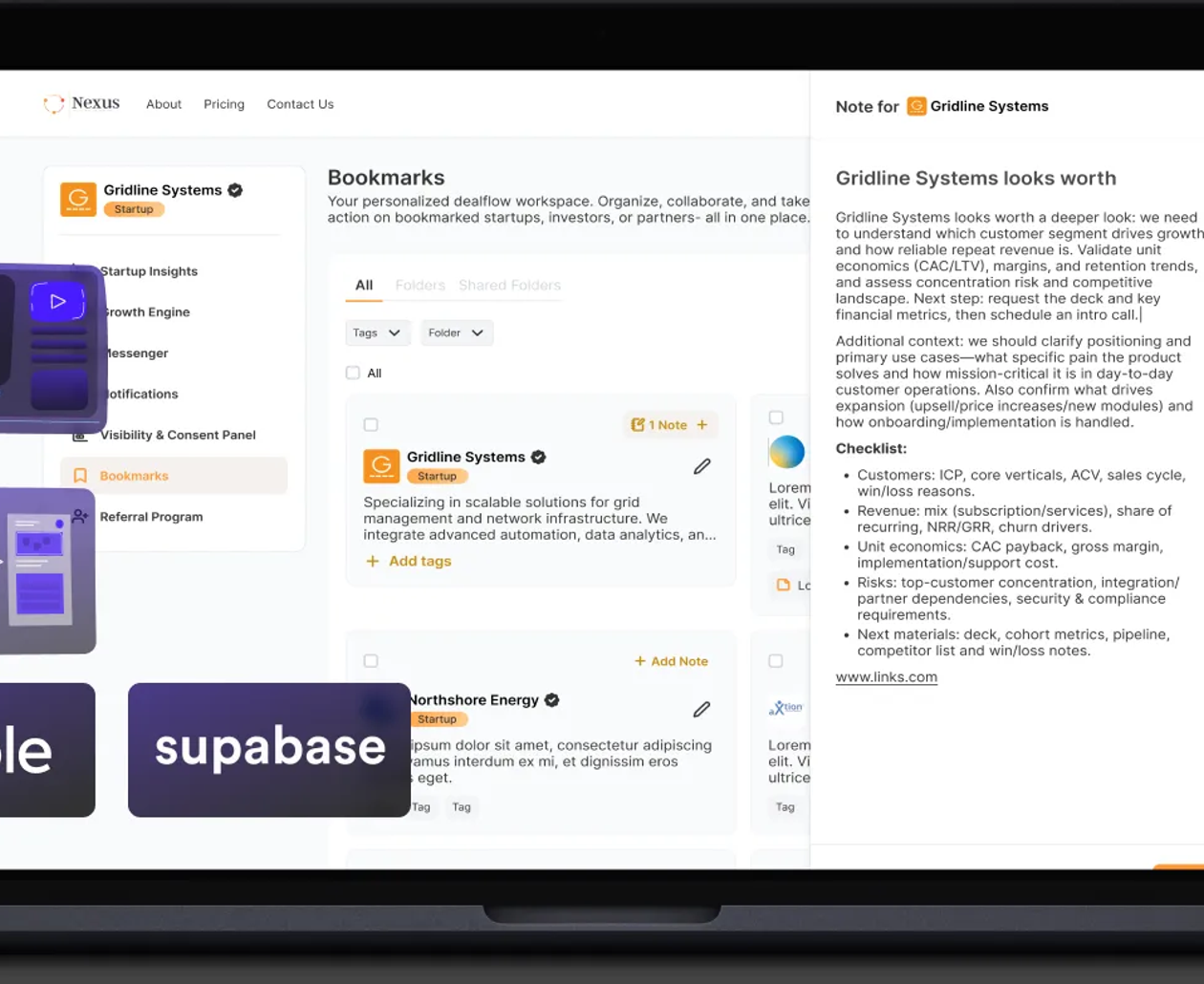
Role-based intelligence UX — complex data made decision-ready.
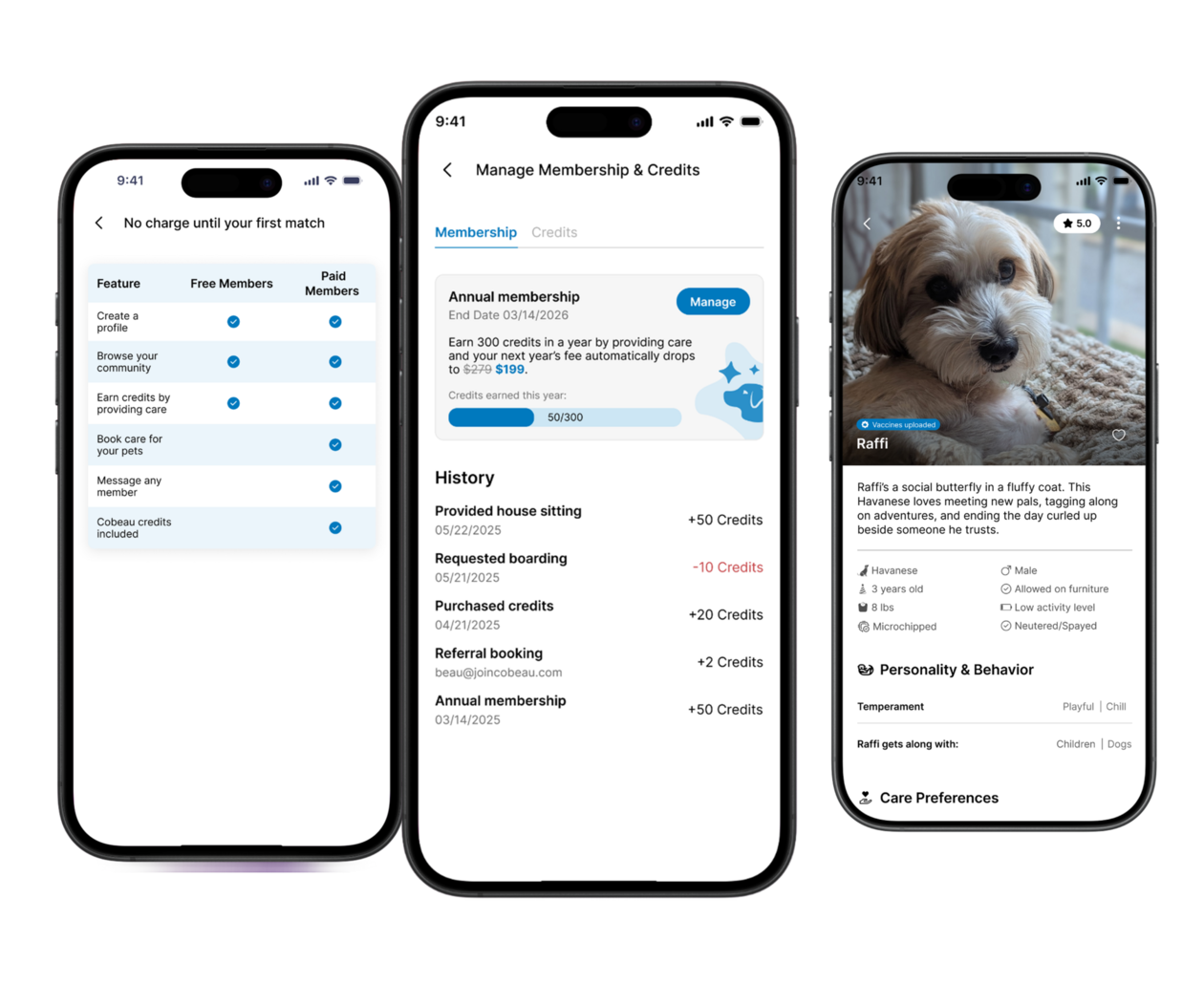
A trust-first pet-care marketplace designed around dual-role users — the same person books and provides.
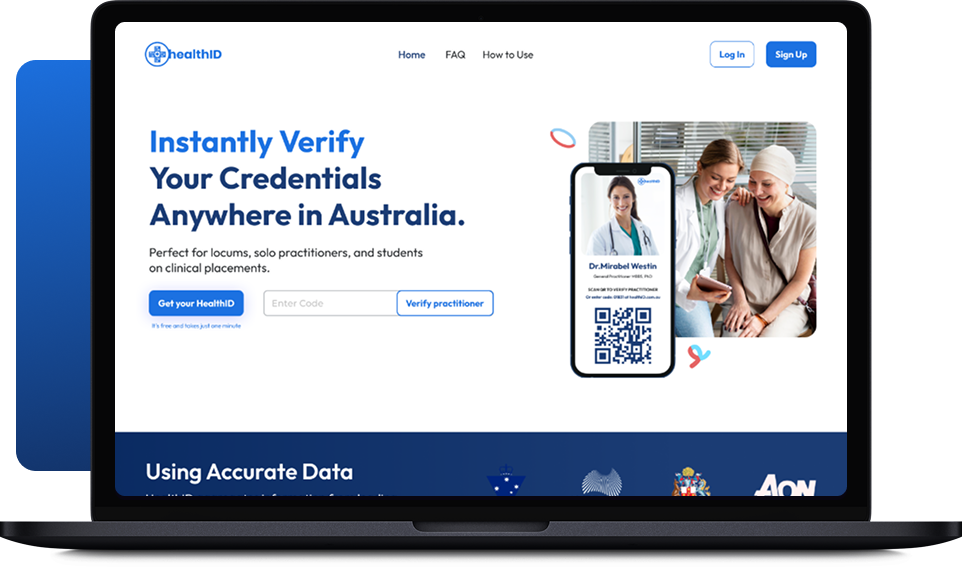
Credential management designed for trust, clarity, and strict access.
Talk to an AI for a 60-second scope, or book a 30-min call with the founder.