
Two-sided marketplace
Connect multiple audiences with matching and transactions — the model behind Borderless and Ace Tuition.
Custom web portals and platforms that connect customers, partners, members, and teams — each with their own role, view, and permissions. Marketplaces, credential portals, client and intelligence platforms, with secure access, audit trails, and AI self-service built in.
We build custom web portals and platforms that connect different kinds of users — customers, partners, members, vendors, internal teams — each with their own role, their own view, and their own permissions, around the workflow that actually matters to them.
A portal isn’t a login page. It’s a single platform that serves several audiences at once — each seeing a tailored view, acting within their permissions, and never touching what isn’t theirs. The hard part is the model: who are the user types, what can each do, and how do their journeys intersect? Off-the-shelf portal builders handle a generic customer login; the moment you have real roles, a marketplace, or your own access rules, a custom build fits the relationships instead of flattening them.
We’ve built portals across very different relationships: Borderless connects candidates and employers; HealthID is a credential portal for healthcare professionals; Smart SETC is a tax-credit portal for self-employed filers; PovNexus is a venture-intelligence platform with role-based views for investors, startups, and CVCs; Ace Tuition connects students and tutors; and Dispatch Trux (Trucking88) gives dispatchers, drivers, and customers their own slice of one logistics operation. Different audiences, same discipline.

Users now expect to do it themselves. Around 52% of enterprises have integrated self-service portals, 45% report higher customer-satisfaction scores after launching unified digital portals, and the economics are stark — Gartner pegs an agent-handled interaction at about $8 versus roughly $0.10 for self-service (Global Growth Insights, 2026; Zaelab). In 2026 a portal isn’t a nice-to-have layer on top of support — it’s the primary way users transact, and increasingly an AI-assisted one.
We build toward that: portals that let people self-serve, with AI answering and acting where it helps.
Every portal lives or dies on one model: identity → role → tailored view → permitted action → audit. Who you are determines your role; your role determines what you see and can do; everything you do is logged. We design that model first — the difference between a portal that scales to new user types cleanly and one that becomes a permissions nightmare. It’s the backbone behind PovNexus’s investor/startup/CVC views and HealthID’s credential access.
Where the workflow is repetitive — onboarding, notifications, approvals — we wire in automation; where users benefit from answers, we add AI agents and grounded RAG search so the portal answers questions, not just stores data.
We start from the user types and their relationships, then design the access model, the role-based experiences, and the integrations around them. A typical build pairs distinct, focused experiences per role with a backend handling identity, permissions, the shared data model, and audit logging. The build is AI-assisted end to end, so a production portal ships in weeks — and your team owns the platform and data.
User types, roles, permissions, and how their journeys intersect — designed before code.
A focused, tailored experience per audience on a shared, secure data model.
SSO/MFA, default-deny permissions, data isolation between user types, audit trails.
Automated flows plus grounded RAG search and agents so the portal answers and acts.
CRM/ERP/payments wiring, hardening — then the platform and data are yours.
Connect multiple audiences with matching and transactions — the model behind Borderless and Ace Tuition.
Sensitive records with strict, audited access — the model behind HealthID.
Give clients a secure self-service window into their data — the model behind Smart SETC.
One platform, distinct views per audience — the model behind PovNexus.
Portals are where access control is the product. We design role- and attribute-based permissions with a default-deny posture, secure authentication (SSO/social/MFA as needed), full audit trails, and data isolation between user types — so a buyer never sees a seller’s data and a patient’s credentials stay locked to the right eyes. This is the rigor we shipped for HealthID and Smart SETC, and it’s the default for every portal we build.
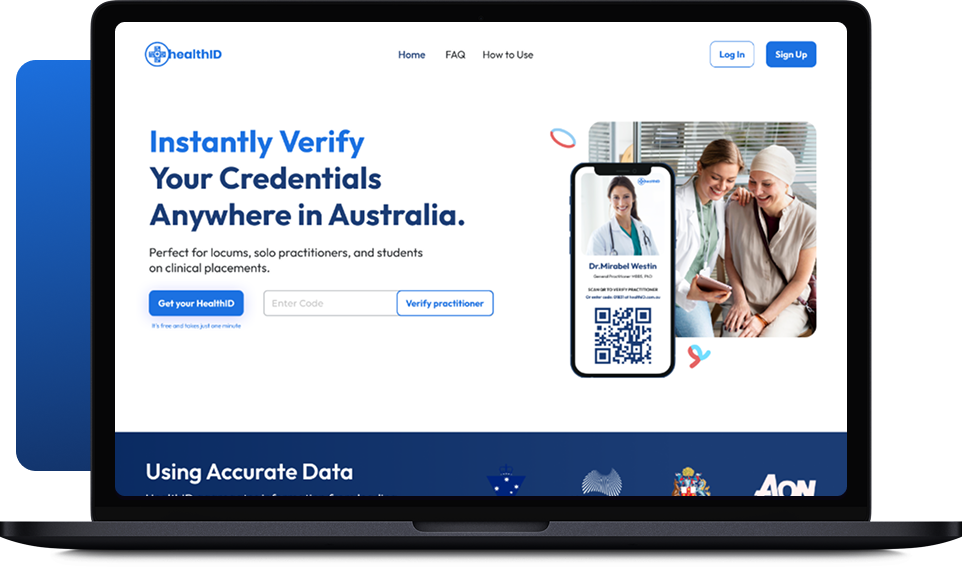
“Portal” covers a lot of ground, and we’ve built across it: two-sided marketplaces and talent platforms (Borderless), credential and compliance portals (HealthID), client/service portals (Smart SETC), role-based intelligence platforms (PovNexus), education portals (Ace Tuition), and operations portals (Dispatch Trux). Whatever your audiences are, the job is the same: give each one exactly the right view — and nothing else.
A web portal is a single platform serving multiple user types — customers, partners, members, vendors, internal teams — each with a tailored view and their own permissions. Custom portal software models your actual roles and relationships rather than forcing them into a generic login template.
Off-the-shelf builders fit a generic customer login. Build custom when you have real roles, a marketplace or multi-sided audience, your own access rules, or deep integrations — and when you want to own the platform and data. We’ll tell you honestly which fits.
A wide range: Borderless (a job-matching marketplace connecting candidates and employers), HealthID (a healthcare credential portal), Smart SETC (a tax-credit client portal), PovNexus (a role-based venture-intelligence platform), Ace Tuition (a student/tutor portal), and Dispatch Trux / Trucking88 (a logistics operations portal).
We design role- and attribute-based access with a default-deny posture and full audit trails, so each user type sees only what they should. The access model — identity → role → view → action → audit — is the first thing we design, because it determines how cleanly the portal scales to new roles.
Yes — connecting two or more audiences with their own flows, matching, and transactions is one of the most common portals we build. Borderless connects candidates and employers; Ace Tuition connects students and tutors.
Secure authentication (SSO, social login, or MFA as needed), role/attribute-based permissions, data isolation between user types, and audit logging. For sensitive portals like HealthID and Smart SETC, that rigor is the product, not an add-on.
Yes. We add grounded RAG search and AI agents so users can ask questions and get answers from the portal’s real data, and automate the repetitive flows (onboarding, notifications, approvals). Self-service is dramatically cheaper than agent-handled support and increasingly what users expect.
Yes — portals are most valuable when they surface and act on data from your other systems (CRM, ERP, payments, internal tools). We integrate over APIs so the portal is a real working surface, not an isolated island.
Because the build is AI-assisted, a production portal ships in weeks rather than months. Scope — number of roles, integrations, marketplace dynamics, security needs — drives cost. Get an AI estimate or book a call and we’ll scope it with you.
Yes. We build on a modern owned stack — your code, your data, no per-seat vendor lock-in — so the platform is an asset you control, not a subscription you rent.
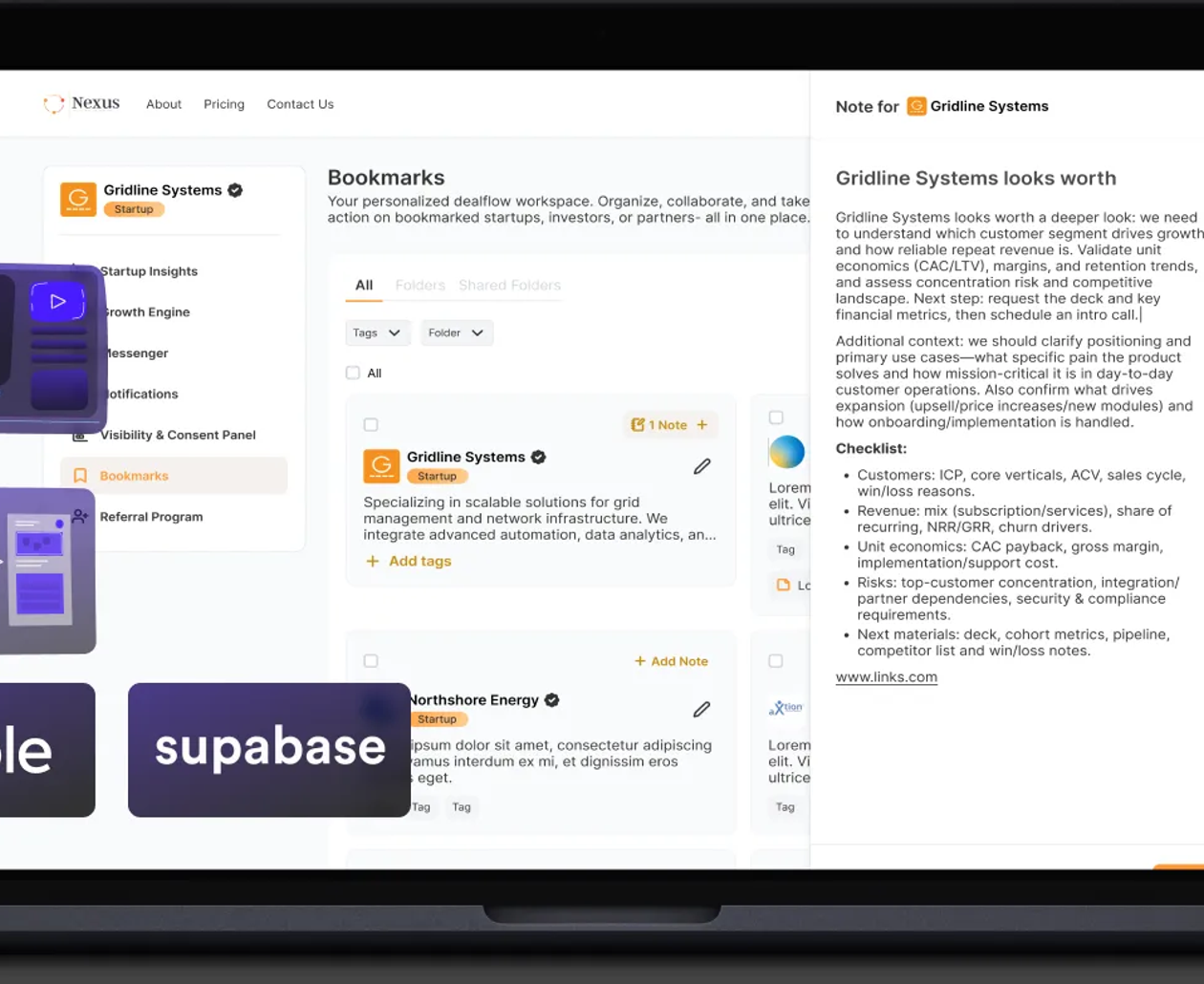
A B2B platform with role-based views for investors, startups, and CVCs over one shared intelligence layer.
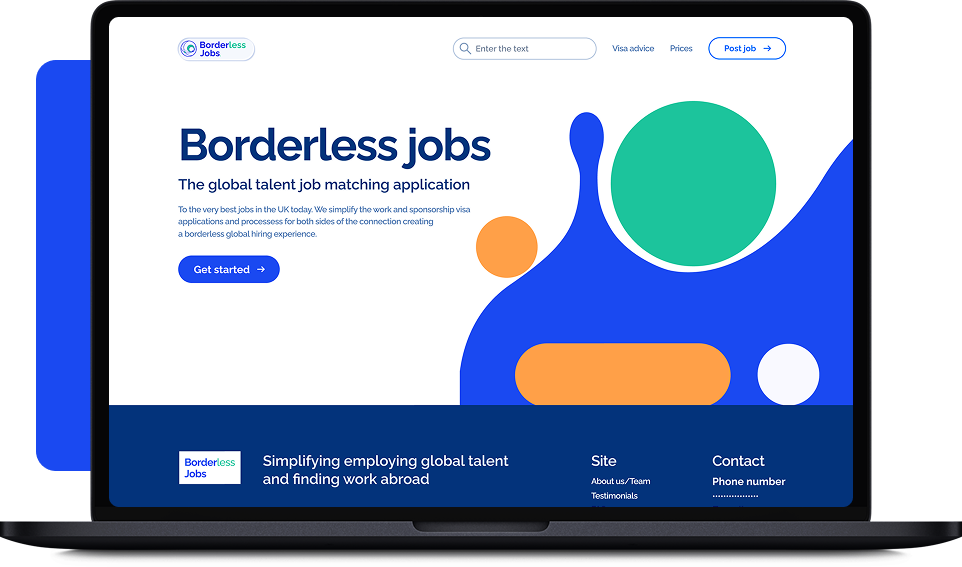
A job-matching portal connecting candidates and employers — two audiences, each with their own flow.
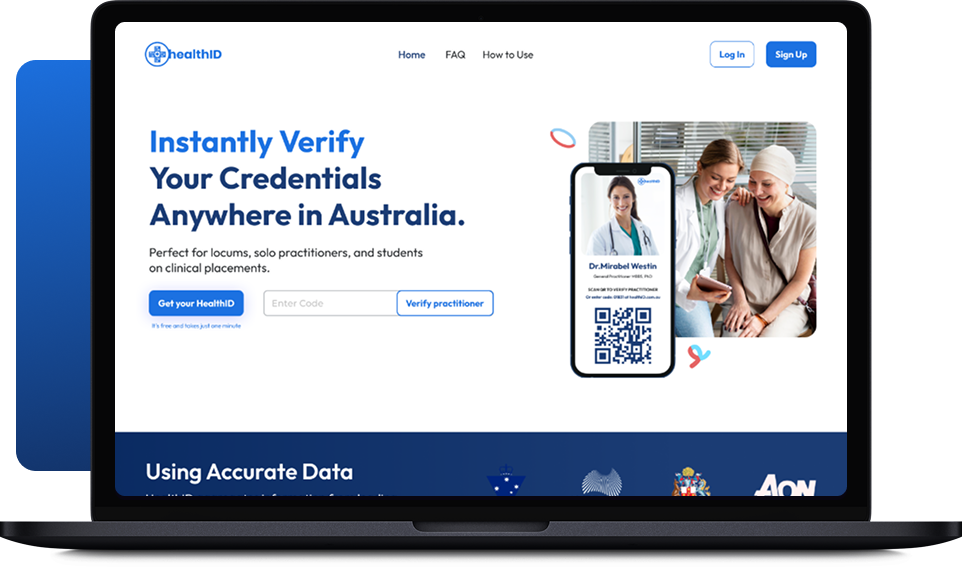
A digital credential-management portal for healthcare professionals, where access rules are the product.
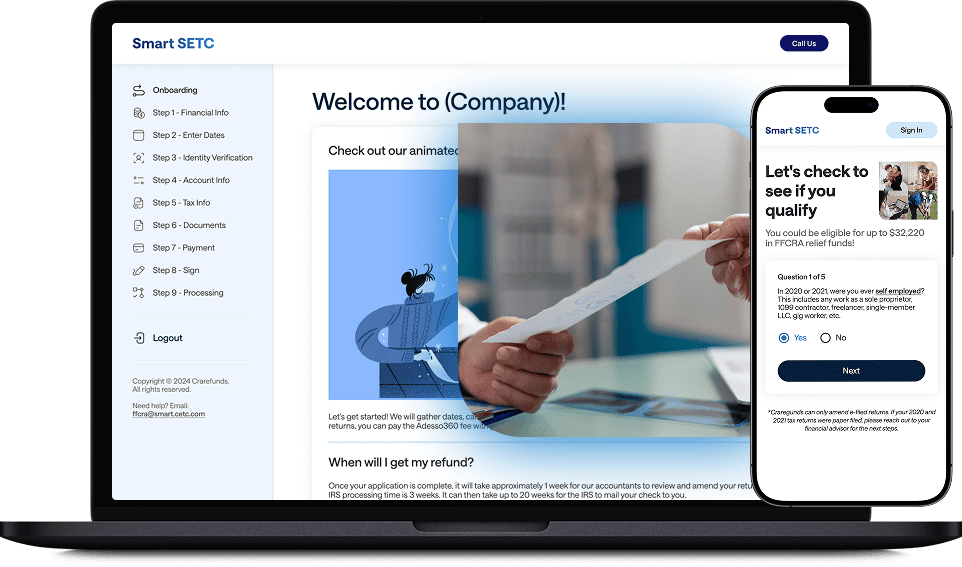
A tax-credit portal giving self-employed filers a secure, guided self-service window into their claim.
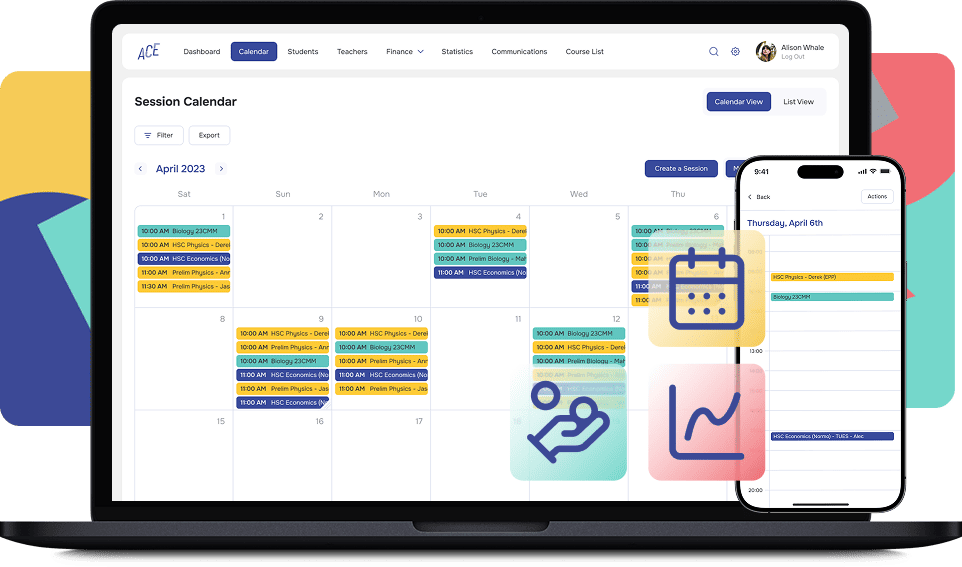
A tutoring portal connecting students and tutors, each with their own view and flow.
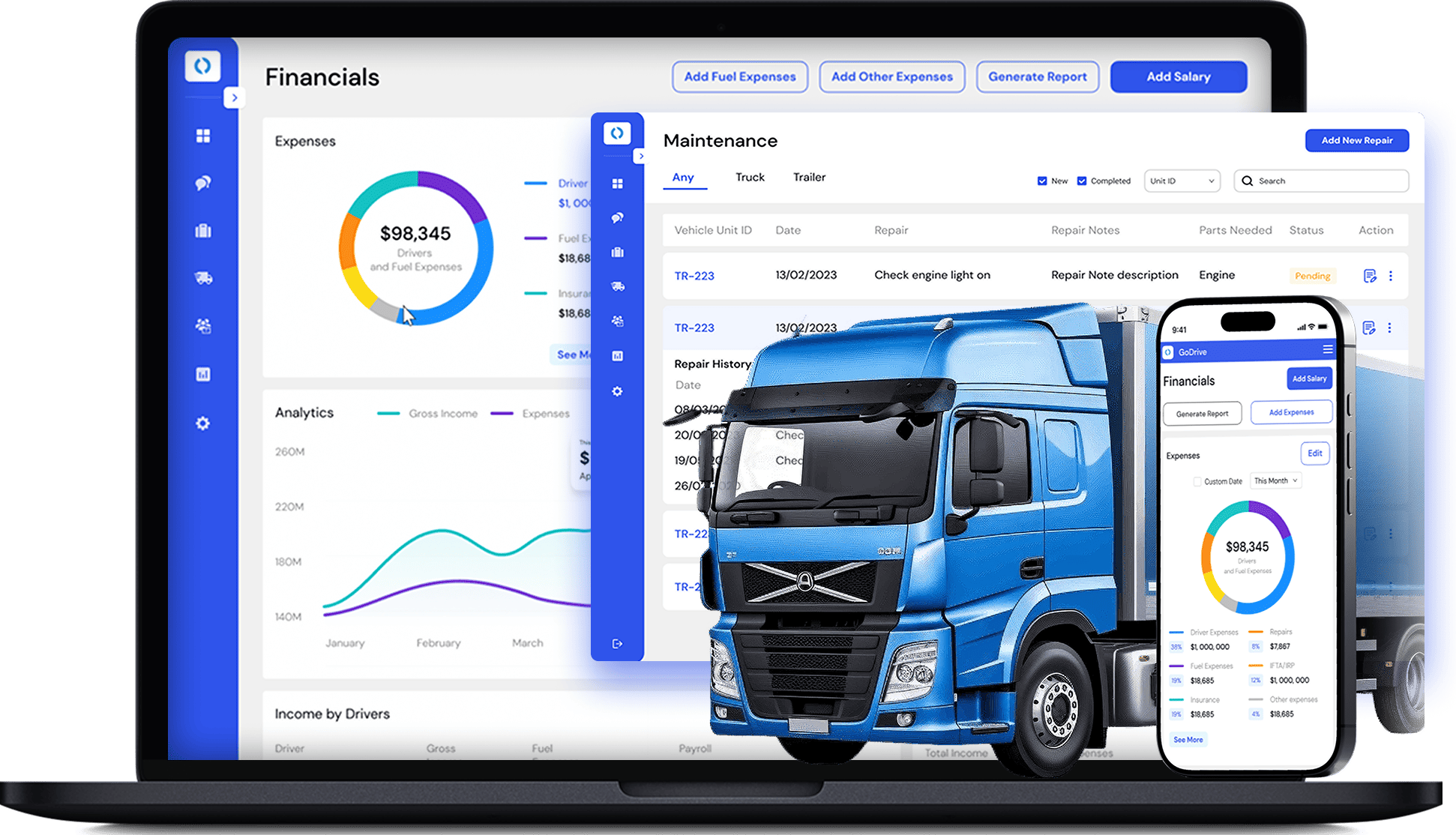
A logistics operations portal (Trucking88) giving dispatchers, drivers, and customers their own slice of one operation.
Talk to an AI for a 60-second scope, or book a 30-min call with the founder.