
Automated invoicing into Xero
Apply taxes, generate invoices, run bookkeeping automatically — the model behind Ace Tuition.
Custom invoicing and billing — recurring and usage-based, automated generation, payment collection, dunning, and reconciliation into Xero or QuickBooks — built into the product you run. The money side, without the manual hours.
We build custom invoicing and billing — recurring and usage-based billing, automated invoice generation, payment collection, and reconciliation into your accounting — designed into the product you run, so the money side stops eating manual hours.
Modern invoicing isn’t a PDF generator — it’s a cash-flow engine. It has to trigger the right invoice from the right event (a subscription renewal, a completed job, a usage threshold), generate it correctly (taxes, line items, terms), collect the payment, chase what’s late, and reconcile it cleanly into your books. Generic standalone tools handle a freelancer’s invoices; the moment billing is part of your product — recurring plans, marketplace payouts, usage-based pricing — it belongs inside the system, automated, not in a separate app someone copies numbers into.
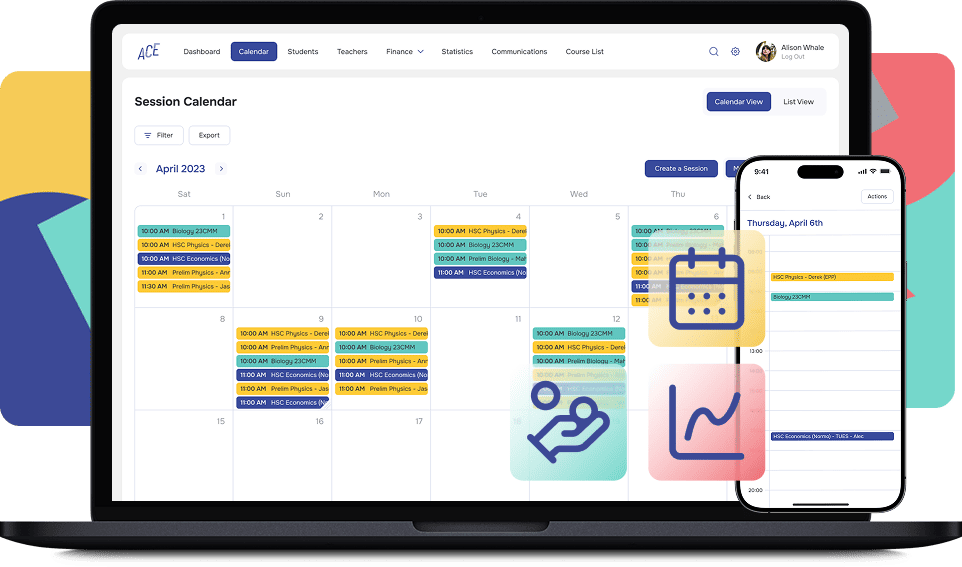
We build exactly this kind of automation. Ace Tuition runs the money side automatically — applying taxes, generating invoices into Xero, and handling bookkeeping flows that used to be manual — via Make automation. Bali Love uses the same approach: invoicing through Xero plus middleware between the marketplace and booking providers. Billing that quietly runs in the background while the product does its job.
Two forces are reshaping billing in 2026. First, automation: AI has moved from extracting invoice data to executing the workflow — capture, matching, exception routing, fraud and compliance checks end-to-end. Second, regulation: the PDF invoice is being outlawed. Belgium banned it in January 2026 and France follows in September, as e-invoicing mandates and real-time reporting spread (Orchida, 2026). The billing-software market is compounding at ~15% a year toward $20B (Business Research Insights, 2026).
We build toward both: automated billing that’s ready for e-invoicing and real-time reporting, not a PDF factory.
The difference between an invoicing tool and a billing system is the loop: an event triggers the invoice, it’s generated correctly, sent, chased if late, and reconciled into your accounting — with no human retyping anything. We model that loop around your billing logic, the way Ace Tuition’s taxes-and-Xero flow runs without anyone touching it.
Where the work is repetitive — generation, reminders, reconciliation — we wire in automation (Make, or custom code at volume); where it benefits from judgment, we add AI agents for matching and exception handling.
We start from your billing model — recurring, usage-based, marketplace, or one-off — then build the invoice generation, payment collection, dunning, and accounting integration around it. A typical build wires your product’s events to invoice generation, payment (Stripe and others), and your books (Xero/QuickBooks), with the dunning and reconciliation automated. The build is AI-assisted end to end, so it ships in weeks — and you own the logic and data.
Recurring, usage-based, marketplace, or one-off — and the events that trigger each invoice.
Invoice generation wired to product events, plus payment collection (Stripe and others).
Automated reconciliation into Xero/QuickBooks — no exporting and retyping.
Reminders, retries on failed charges, and dunning that recovers revenue instead of writing it off.
Wire into the rest of your stack, e-invoicing readiness, audit — then it’s yours.
Apply taxes, generate invoices, run bookkeeping automatically — the model behind Ace Tuition.
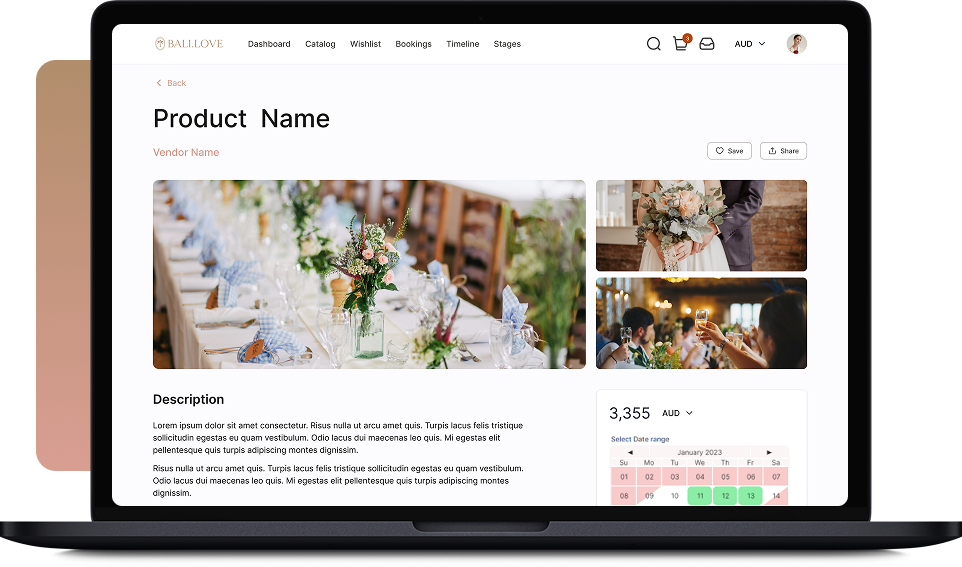
Invoice customers and pay out providers — the model behind Bali Love.
Subscriptions and metered pricing that invoice themselves from product events.
Reminders, retries, and recovery so late/failed payments stop leaking revenue.
Late and failed payments are a silent tax: payment failures cost businesses an estimated $440B+ a year and leak 2–5% of ARR (industry data, 2026). We build the collection loop that fixes it — automatic reminders, retries on failed charges, clear payment options, and dunning that recovers revenue instead of writing it off. Getting the money in is a feature, not an afterthought.
The invoicing we build isn’t a separate app — it’s billing that lives inside your product and your stack: recurring subscriptions, marketplace payouts to providers (the model behind Bali Love), usage-based metering, and automated reconciliation into Xero or QuickBooks (the model behind Ace Tuition). If your team is still exporting data to invoice by hand, that’s exactly the manual work we automate away.
Billing that’s built into your product and automated — recurring or usage-based invoicing, payment collection, dunning, and reconciliation into your accounting — rather than a separate invoicing app someone copies numbers into. Ace Tuition and Bali Love, for example, run invoicing into Xero automatically via Make.
A standalone tool is fine for simple, manual invoicing. Build it into your product when billing is part of the product — recurring plans, marketplace payouts, usage-based pricing — so invoices trigger automatically from real events and reconcile without manual work.
Yes — that’s a core piece. We’ve built automated invoicing into Xero for Ace Tuition and Bali Love (applying taxes, generating invoices, running bookkeeping flows) using Make, and we integrate QuickBooks and other accounting systems the same way.
Yes — recurring subscriptions, usage-based metering, and one-off invoices. We model your billing logic so the right invoice is generated from the right event automatically.
Yes. We integrate payments (Stripe and others), automate reminders and retries on failed charges, and build dunning that recovers revenue. Payment failures cost businesses enormously each year; automated collection is how you stop the leak.
We build toward structured, automated invoicing rather than PDFs — which is exactly the direction mandates are pushing (Belgium banned PDF invoices in January 2026, France follows). We design billing that can meet e-invoicing and real-time reporting requirements.
Yes — splitting payments and paying out to providers is a common need. Bali Love is a live example: invoicing plus middleware between the marketplace and booking providers.
Yes — that’s the point. Billing is wired to your product’s events and your other systems (payments, accounting, CRM) so invoices flow automatically rather than living in a disconnected tool.
Because the build is AI-assisted, automated billing ships in weeks rather than months. Scope — billing model, integrations, payment and accounting systems — drives cost. Get an AI estimate or book a call and we’ll scope it with you.
Yes — Ace Tuition (automated taxes and invoicing into Xero, plus bookkeeping flows) and Bali Love (Xero invoicing plus marketplace/provider middleware), both via Make automation.
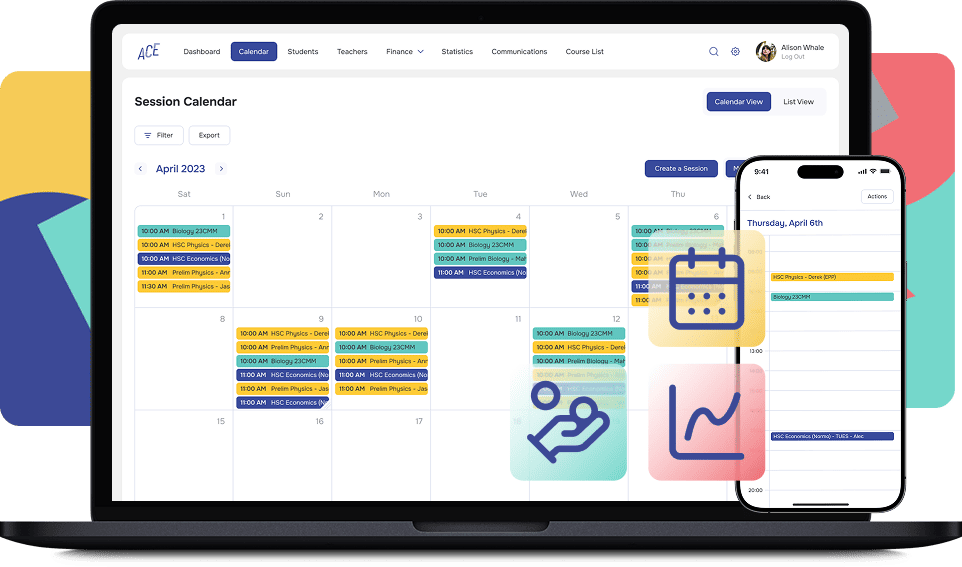
Automated taxes and invoicing into Xero plus bookkeeping flows, run via Make — the money side without the manual hours.
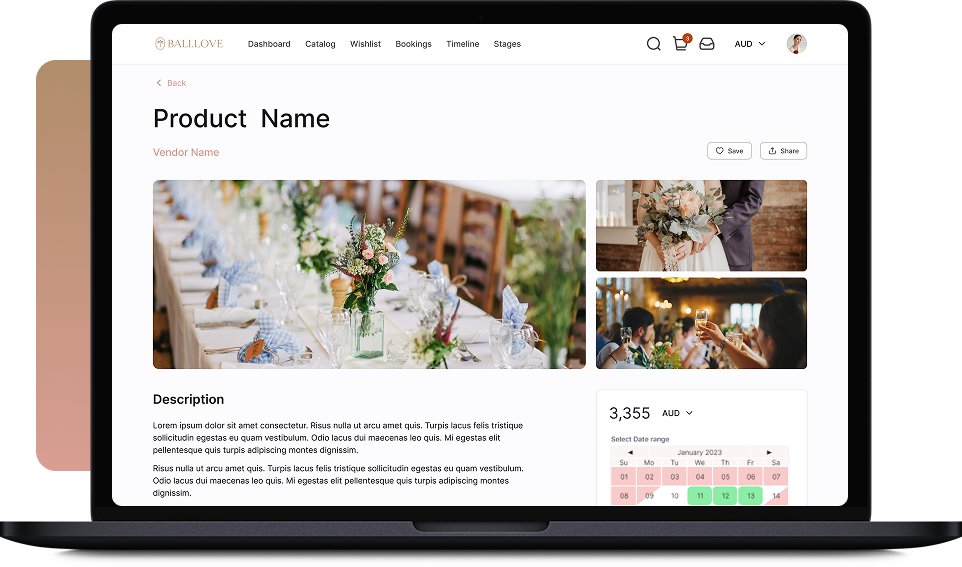
Invoicing through Xero plus middleware between the marketplace and booking providers, via Make automation.
Talk to an AI for a 60-second scope, or book a 30-min call with the founder.