
Replace a spreadsheet
The "system" running on a fragile spreadsheet becomes a real owned app.
SelfWare is our name for bespoke custom software built the way you actually work — owned outright, no per-seat fees, no vendor roadmap to wait on. When the spreadsheet or the half-fitting SaaS stops scaling, we build the thing that fits.
Most software is built for markets. SelfWare is built for you. The term — coined at NerdHeadz — describes custom software designed for a specific person, team, or workflow rather than for mass distribution. It is the opposite of SaaS: instead of adapting your process to fit someone else's product, SelfWare adapts the product to fit your process.
Every team has duct-tape tools: the spreadsheet that tracks client status, the Notion doc that serves as a CRM, the Zapier chain that breaks every time someone changes a field name. These tools work — until they don't. SelfWare replaces them with purpose-built software that does exactly what you need and nothing you don't.
This isn't enterprise custom development with six-figure budgets and 18-month timelines. AI-assisted development has collapsed the cost and timeline of building custom software to the point where it makes economic sense for an individual operator, a small team, or a single department inside a larger company. What used to require a founding engineer now requires a scoping call and a few weeks.
SelfWare projects are smaller and more focused than traditional custom software engagements:
- A personal dashboard that pulls data from three APIs you use daily and shows exactly the metrics you care about - An internal tool that replaces a 47-tab spreadsheet your ops team has been fighting with for two years - A client portal that automates the reporting you currently do manually every Friday afternoon - A workflow automation that connects your CRM, invoicing, and project management without Zapier - A custom admin panel for a process only your team runs — something no off-the-shelf product will ever build
The common thread: the software serves a small audience (sometimes an audience of one), solves a specific problem, and replaces something that is currently done manually or with the wrong tool.
SelfWare tools we have shipped include:
- Upwork job finder and proposal drafter — scans new listings daily, drafts tailored proposals in your voice - Portfolio analyzer and project estimator — reviews past work to size new quotes automatically - SEO and AEO optimizer — content-side audit and improvement workflows for search and answer engines - Budget and bookkeeping reconciliation — statement matching against invoices and receipts - Property listing analyzer — scrapes and scores listings against buyer criteria - Blog publisher and design creative generator — content and image production pipelines
SelfWare is built using the same AI-assisted development methodology we use on all projects. An experienced engineer directs; AI writes the code; you get production software in weeks.
The process:
- 30-minute scoping call. You describe the problem, the current workaround, and what "done" looks like. We tell you what's realistic. - Spec and estimate. We write a short spec (not a 40-page document) and provide a fixed price for known scope. - Build. Typically 2–6 weeks depending on complexity. You see progress throughout. - Deploy and handoff. Your infrastructure, your credentials, your code. We don't keep copies.
Most SelfWare projects cost between $5,000 and $30,000. That's less than a year of most SaaS subscriptions for tools that don't quite fit — and the SelfWare actually does what you need.
- Operators who run on spreadsheets and manual processes - Founders who need internal tooling but can't justify a full dev hire - Teams inside larger companies whose IT department has a 6-month backlog - Consultants and agencies who want to productize their methodology - Anyone who has ever said "I wish there was an app that did exactly this"
The "system" running on a fragile spreadsheet becomes a real owned app.
When the tool half-fits and the bill keeps climbing, own the replacement.
The workflow only your team runs — built to fit it exactly.
When off-the-shelf simply doesn’t exist for your problem.
Most teams carry three to eight SaaS subscriptions that almost fit. A CRM that covers eighty percent of the workflow. A reporting tool at three hundred dollars a month for twelve users when you actually need three reports. A project management suite that does two hundred things when you use fifteen. SelfWare's most common ROI pattern is replacing one of these subscriptions: we build the exact tool you would configure the SaaS to be, you own the code, and you extend it yourself with AI. Break-even math is usually fourteen to twenty-four months against the subscription cost. After that it is pure cost reduction plus full data ownership plus exact-fit features the SaaS vendor will never ship. AI-assisted development is the methodology that makes self-extension viable where it was not three years ago.
Custom software development covers projects where the scope is bigger than a single workflow and you need a full product, not a self-extended tool. AI-assisted development is the methodology behind selfware — Claude Code and similar tooling make self-extension viable at costs that did not exist before. Maintenance and support pairs with selfware for teams that would rather not self-maintain — hourly retainers or self-healing bots provide an automated safety net underneath. AI agent development applies when your selfware tool needs to do multi-step autonomous work, not just respond to prompts. Prototyping lets you validate whether selfware fits before committing — a one-week prototype answers the "is this worth building?" question cheaply.
30-minute call. Bring the problem, we'll tell you what's possible.
SelfWare is a term coined by NerdHeadz for custom software built around a specific person, team, or workflow — not for a market. It replaces the spreadsheets, Notion docs, and Zapier chains you currently use with purpose-built software that does exactly what you need.
SelfWare projects are scoped, estimated, and delivered as fixed-price engagements. You don't need to manage a developer or understand code. We handle architecture, build, deployment, and handoff. You describe the problem; we ship the solution.
Most SelfWare projects cost between $5,000 and $30,000 depending on complexity, number of integrations, and data sources involved. The final price is fixed after a 30-minute scoping call, so there are no surprises mid-project.
Typically 2–6 weeks from scoping call to deployment. AI-assisted development allows us to ship production-quality custom software much faster than traditional development timelines.
Yes. Full repository access, your infrastructure, your credentials. We don't keep copies or maintain proprietary hosting. Any engineer can continue or modify the codebase.
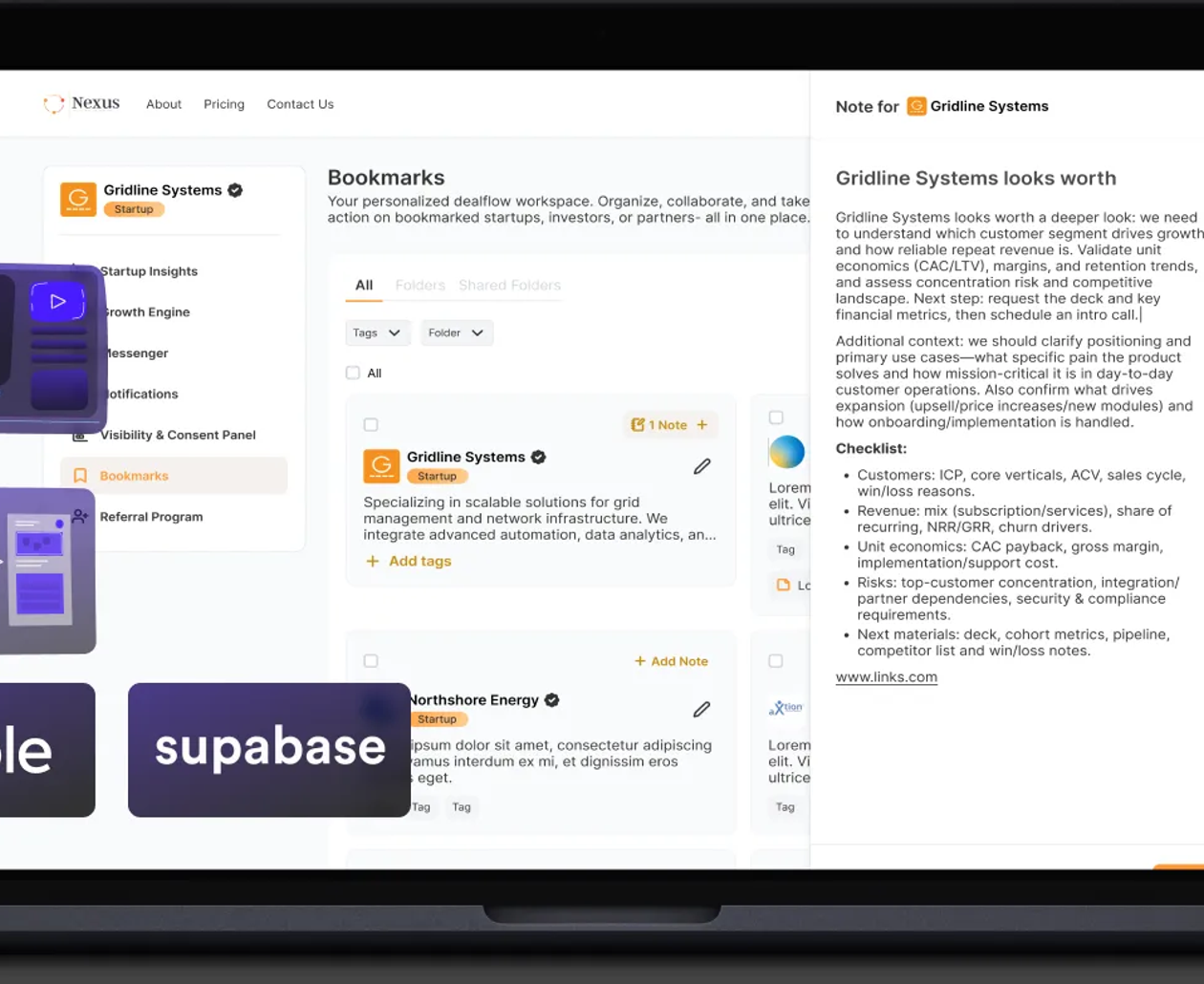
A bespoke venture-intelligence platform — software no vendor sells, owned by the client.
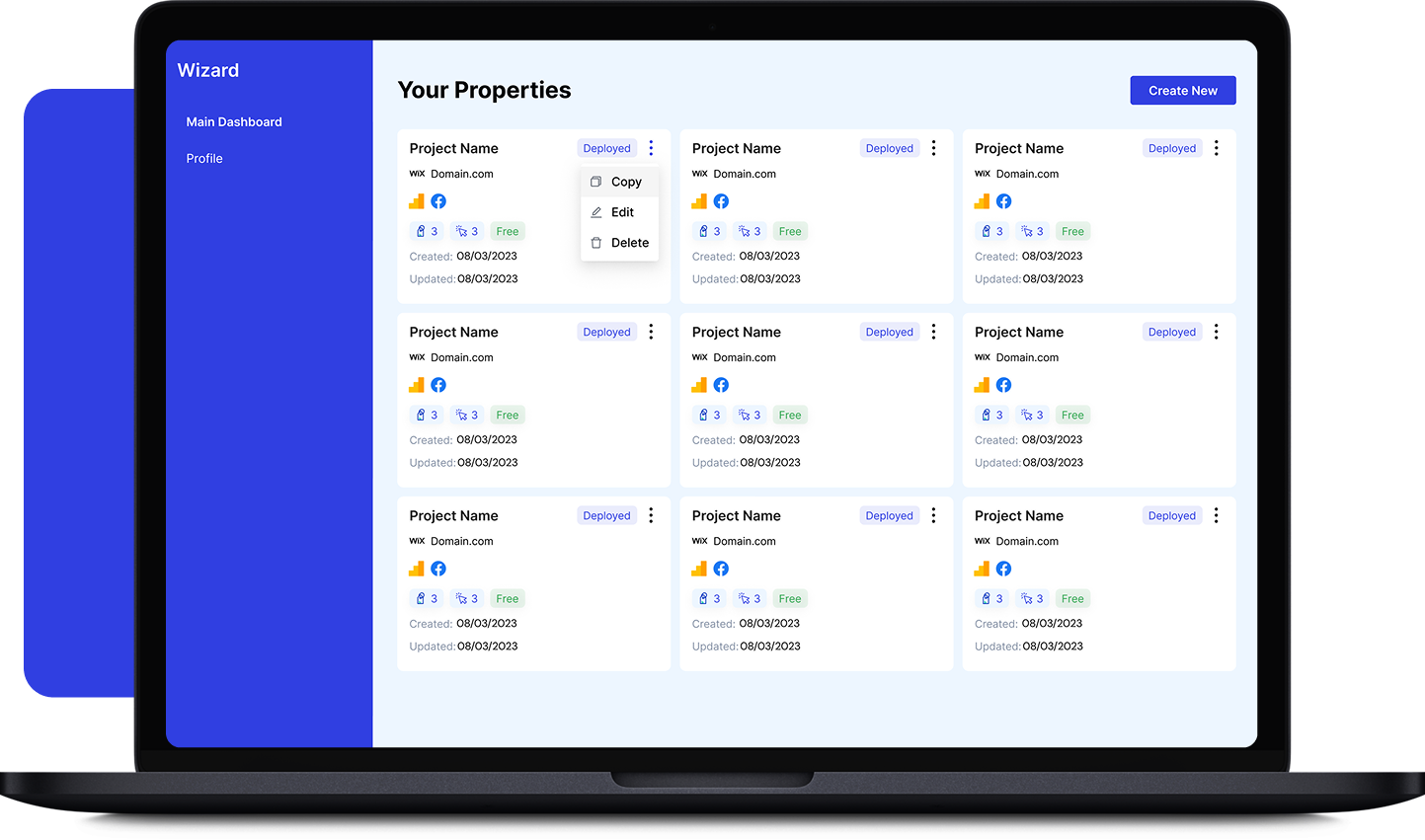
An internal tool that became the product — three years of continuous build, fully owned.
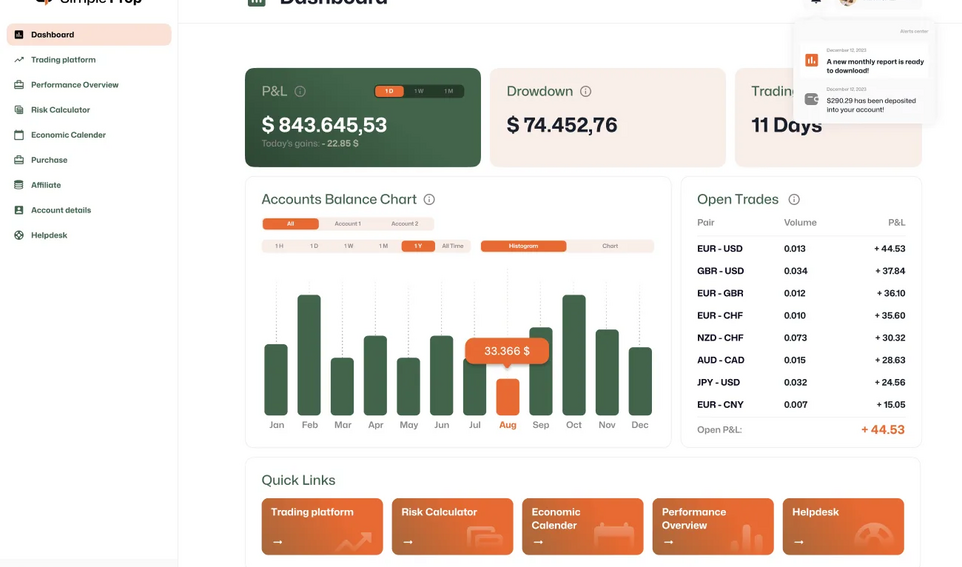
A custom prop-trading platform with a real-time bridge an off-the-shelf tool couldn’t provide.
Talk to an AI for a 60-second scope, or book a 30-min call with the founder.