
Ship an MVP fast
Idea to a real, working product in weeks — reviewed, not just generated.
Vibe coding done right: AI drafts the boilerplate and first passes, a senior engineer reviews and tests every line, and what ships is production-grade software you own — not "looks correct but breaks at scale."
Vibe coding is what it looks like when an experienced engineer pairs with AI coding tools to ship production software at 3x the speed of a traditional build. The human thinks — architecture, trade-offs, what to build and what to leave out. The machine types. At NerdHeadz, vibe coding isn't a trendy label; it's how we build everything. This website was vibe-coded. Our SEO monitoring stack was vibe-coded. Our client projects get shipped using the same playbook we use on our own systems.
"Vibe coding" went viral as a phrase, but the underlying practice is concrete: an engineer sets up a problem, describes the desired outcome in natural language, the AI writes the code, and the engineer reviews, refines, and commits. The loop is tight. Autocomplete-style AI (Copilot) is one mode; agentic AI that can edit multiple files across a codebase (Claude Code, Cursor's agent mode, Windsurf) is where the real speedup comes from.
Vibe coding is not "no-code." No-code platforms lock you into their runtime. Vibe coding produces real code in real repositories, running on real infrastructure. The difference: the engineer's role shifts from typing to directing. From writing every line to reviewing every line. From syntax to system design.
It's also not "AI writes your app." The AI is not the author. The engineer is. The machine is an extraordinarily fast typist.
Our production workflow runs on a specific pattern we've converged on across 35+ projects:
Planning in Claude Desktop. We use Claude (the chat interface) for planning, research, QA, and breaking work into tasks. Every session starts here. No code yet.
Execution in terminal sessions. We run Claude Code in multiple terminals — we call them T1, T2, T3. Each terminal is focused on a specific subsystem: one for frontend, one for backend, one for deployment or SEO or migrations. The plan from desktop gets handed to the terminal as a copy-paste markdown file. The terminal executes.
Reconnaissance before changes. When we don't know something — what's in the codebase, what's in the database, what the deployment pipeline looks like — we write a recon task first. Read-only. Data comes back. Then we plan the change. Hot-take code-writing without recon produces garbage; we learned that the hard way.
Staging-first deployment. Every change goes to a staging worktree and a staging branch. Post-deploy route-health checks run automatically. Only after verification does anything hit main. This website has a monitoring cron that pings 60 production routes every 2 minutes. We wrote it via vibe coding.
This isn't a hypothetical framework. This is what we did this morning, yesterday, last week.
What gets faster:
- Boilerplate — CRUD endpoints, form validation, component scaffolding, test harnesses - Refactors across many files — renaming, type migrations, config changes - Writing documentation the code actually matches - Migration scripts, data seeds, one-off tooling - Integration work — gluing APIs together, writing webhook handlers
What doesn't get faster:
- Understanding the problem. A bad spec produces bad code, AI or not. - Architecture decisions. The AI can suggest patterns; it can't decide which one you're committing to for the next three years. - Production debugging. When things break in weird ways, you need an engineer who understands the full system. - Handling novel problems the AI hasn't seen. Most business problems aren't novel. Some are.
A project that would take a senior engineer 12 weeks traditionally might take 4 weeks with vibe coding. That's the 3x. It's not 10x and it's not magic. It's the difference between typing and thinking, moved aggressively onto the typing side.
Idea to a real, working product in weeks — reviewed, not just generated.
More throughput per engineer, without the "looks correct but broken" tax.
A working prototype to test the idea before the full build.
AI-accelerated refactors and rewrites with a human at the wheel.
- Claude Code — our primary workhorse. Agentic, reads the whole codebase, handles multi-file changes. We run it in production. - Claude Desktop — planning, task generation, QA, research. Separate from terminal work. - Cursor — fast IDE-integrated editing, good for known-language work and tight autocomplete loops. - GitHub Copilot — inline suggestions. Background assist while we work in other tools. - Windsurf — newer agent-style builds; we reach for it on specific workflows.
We don't sell tools. We use them. The above is what our engineers actually open every morning.
Vibe coding applies to any of our projects — custom software, MVPs, migrations, internal tools. Pricing follows the same structure as our other services: fixed-price for well-defined scope, time-and-materials for evolving work.
The practical consequence of vibe coding on pricing is that our projects are significantly cheaper than traditional agency equivalents — not because we underbid, but because the build takes fewer hours. The saved hours show up in your budget.
If you want a project built this way, the fastest path is a 30-minute scoping call. If you just want to learn about the methodology, we write about it openly on our blog.
Hire us for a project. Or poke around our blog — we write about how we work, honestly, including what breaks.
- AI-assisted development — ship a real product without a full engineering team, using Claude Code, Cursor, and modern frameworks - Custom software development — the full-custom alternative when you need end-to-end engineering - AI development services — custom AI apps, agents, and integrations built for your specific business workflows
The vibe-coding methodology applies across project types, including migrations off no-code platforms.
Kind of. The phrase "vibe coding" caught on because it captures something real about how AI-assisted development actually feels: you’re in flow, directing rather than typing. The underlying practice — engineer-led, AI-executed code — is what matters, whatever you call it.
Yes. The output is standard code in a standard repository. No proprietary runtime, no vendor lock-in, no black box. Any engineer can read, continue, or modify the codebase.
Every piece of generated code is reviewed by an engineer before it ships. The review is often where the real work happens — catching edge cases, enforcing conventions, fixing subtle logic errors. The AI produces drafts; we ship production.
Extensively. This website, our SEO infrastructure, our deployment scripts, our internal admin tools — all built this way. Dogfooding is the only credible way to know what the methodology actually ships versus what breaks.
We don’t formally sell training — but we write openly about how we work, and we’re happy to answer questions. If you want a project built this way, hire us for the project; the methodology comes with it.
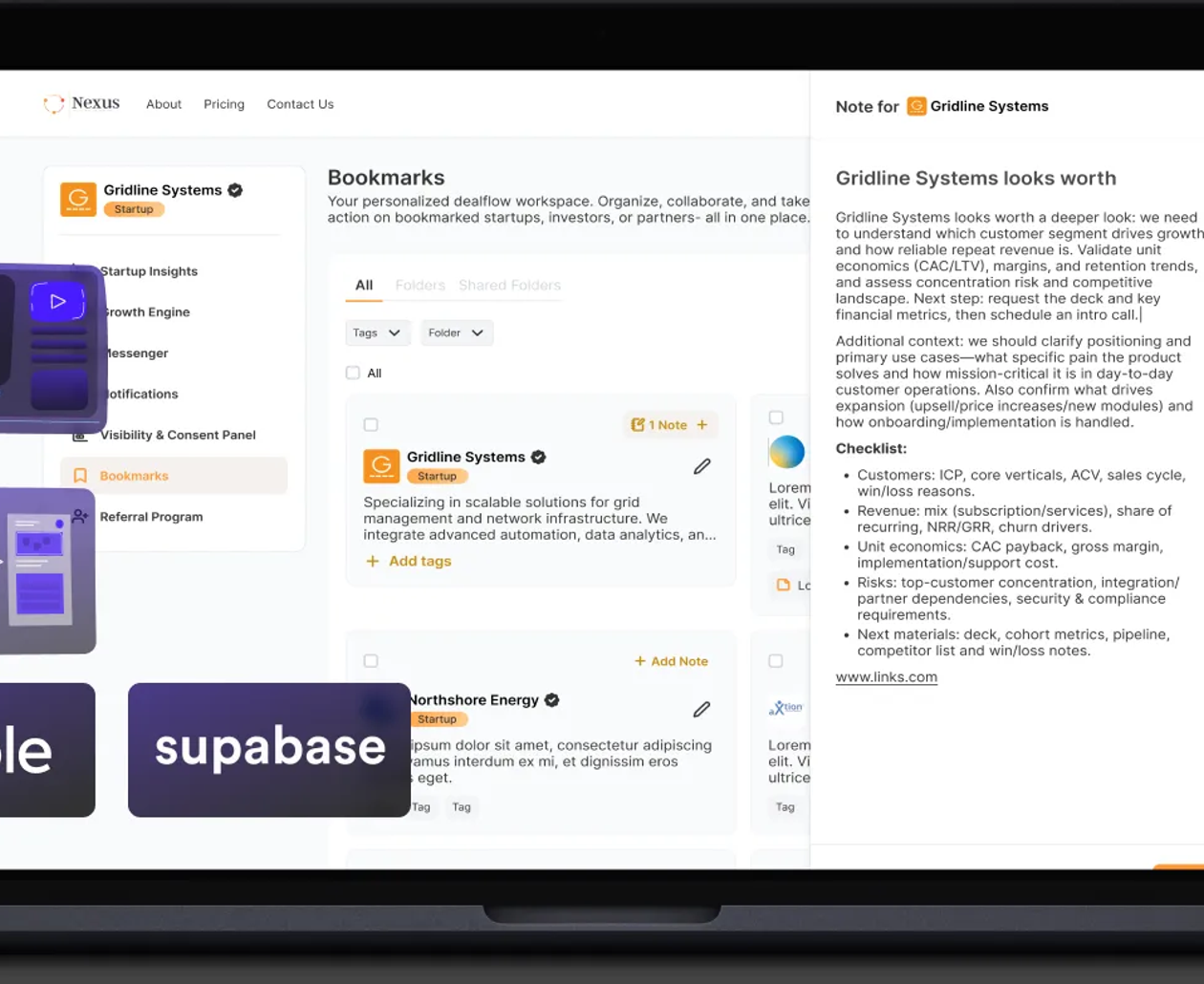
A full RAG platform built AI-assisted, reviewed and shipped to production.
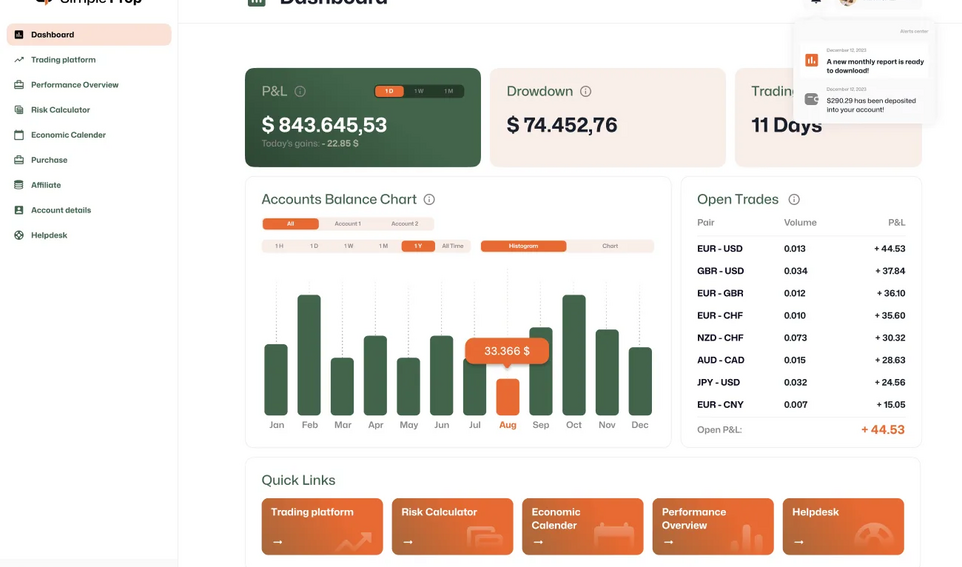
A prop-trading platform with a real-time bridge — vibe-coded, then hardened for production.
Talk to an AI for a 60-second scope, or book a 30-min call with the founder.