Natively · Web-to-Mobile Wrapping, With Honest Boundaries
Natively development — web-to-mobile wrapping, with honest boundaries
Natively is a SaaS that wraps existing web apps (most commonly Bubble) as iOS and Android apps — push notifications, deep links, app store submission, native-feeling navigation. In 2026 it also added an AI mobile code generator that produces React Native source from prompts. We build with Natively when the buyer fits — existing web app + needs mobile store presence quickly + speed-to-store matters more than native performance. For performance-critical apps, mobile-first projects, or full native code ownership, we’d build with React Native + Expo or recommend FlutterFlow. We pick honestly per project, including telling you Natively isn’t it.
The 2026 mobile-app-builder landscape — wrappers, no-code native, AI code gen, Bubble Native, real native
Turn your web app into a native mobile experience
Natively is in our toolkit for a specific narrow buyer. For everyone else, the honest answer is React Native, FlutterFlow, or rebuilding native — and the rest of this page is that honest decision.
Natively transforms existing web applications into iOS and Android apps — complete with push notifications, deep linking, native-feeling navigation, splash screens, and full App Store and Google Play submission. NerdHeadz uses Natively to extend web products to mobile without rebuilding native — specifically for buyers where the web app is the primary product and mobile is a presence layer rather than a first-class experience.
Our Natively services cover wrapper configuration, push notification setup (OneSignal or Firebase), deep linking, native navigation patterns, splash screens, custom branding, and the App Store / Google Play review process. We ensure the wrapped app feels native — not like a website in a browser frame — within the limits of what WebView wrappers can do (which is honestly named further down this page).
The 2026 update most marketing hasn’t caught up to: Natively now ships two distinct products. The original WebView wrapper service ($32/mo Starter, full-service from $3,000 including store submission) is still the primary use case — wrap an existing Bubble or Webflow app as native iOS and Android. The newer AI mobile code generator ($5/mo) generates React Native source from prompts any developer can extend and deploy — the v0/Lovable category for mobile. We deploy both.
Natively is the ideal solution when speed-to-store matters more than native performance and you have an existing web app to wrap. For apps where native performance matters most, where the project is mobile-first rather than web-with-mobile-layer, or where you want real native code you fully own, we’d build with React Native + Expo, recommend FlutterFlow, or — once it’s production-ready (not yet in 2026) — consider Bubble Native Mobile. The rest of this page is the honest decision frame.
What Natively actually is — in 2026
Some confusion around the name in older marketing — including, until now, on this page. Natively (natively.dev) is a SaaS product, not a generic “native development” approach. In 2026 the company ships two distinct products. Here’s what each is, clearly.
1. Natively WebView wrapper service ($32/mo+)
The original Natively product, and still the primary use case. Takes the URL of your existing web app and wraps it as native iOS and Android apps via a custom-configured WebView — a native shell that hosts your web app inside it. The wrapper adds push notifications (OneSignal/Firebase), deep linking, native navigation, splash screens, custom branding, and offline-state handling. Full-service tiers (from $3,000) handle the Apple App Store and Google Play review process for non-technical founders — a real friction point.
The honest trade-off: WebView apps have web-app performance characteristics. Your wrapped app loads faster than a browser tab and looks native-shell at the OS level, but the actual interaction performance, animations, and offline capabilities are bounded by what a WebView can do.
2. Natively AI mobile code generator ($5/mo) — new in 2026
Natively’s newer product: generate React Native source code from text prompts. Describe the mobile app you want, get React Native code that compiles to real iOS and Android apps. The output is actual native code — the same category as v0 and Lovable for web — that any developer can extend, modify, and deploy independently. Meaningfully different from the wrapper service.
The honest trade-off: AI-generated code requires technical capability to extend properly. For non-technical founders who want a Bubble web app on mobile fast, the wrapper service still fits better. For technical founders comfortable with React Native, the AI code generator gets real native code more quickly than hand-writing.
What Natively is not
Natively is not a generic “native development” approach (developing in Swift for iOS and Kotlin for Android directly). It’s not React Native + Expo (a real native framework). It’s not FlutterFlow (no-code native with Flutter code eject). It’s not Adalo (no-code native with true native code). These distinctions matter for the rest of the decision — the next blocks cover them honestly.
When Natively is the right call
Three real cases where reaching for Natively makes sense — and we’ll build it with the same care as anything else in our stack.
1. Bubble web app needs mobile store presence (wrapper)
You built a Bubble web app, it’s working, users want a mobile experience, and you need App Store / Play Store presence for distribution credibility and push notifications. Speed and cost matter more than native polish. Natively’s wrapper handles this in days, not months — and the full-service tier handles the Apple/Google review process.
2. Webflow or custom web app needs mobile presence (wrapper)
Same shape as the Bubble case but with a Webflow site or custom web application as the source. Marketing site, simple SaaS, content-driven product — anywhere the web app is the primary product and mobile is a presence layer rather than a first-class experience.
3. Technical founder wants a fast RN scaffold (AI code gen)
A different use case from the wrapper. You’re a technical founder or team comfortable with React Native and want a starting point faster than hand-writing — Natively’s AI mobile code generator produces React Native source you can then extend, modify, and own. The same category as v0/Lovable for web, applied to mobile.
When Natively isn’t the right call
Three honest cases where we’d recommend something else — and the “something else” depends on what your project actually is.
1. Performance, animations, or native features matter
Gaming, AR/VR, complex animations, heavy graphics, real-time interactions, advanced biometric auth, offline-first features, document scanning, deep camera/GPS integration — WebView wrappers can’t deliver these properly. We’d build with React Native + Expo (real native code), FlutterFlow (no-code native with Flutter eject), or genuine native (Swift / Kotlin).
2. The project is mobile-first, not web-with-mobile-layer
If mobile is the primary experience and the web app (if any) is secondary, a wrapper makes the wrong trade-off. The wrapper optimizes for “preserve the existing web app” — but a mobile-first project should be designed for mobile first. We’d build with React Native + Expo or recommend FlutterFlow with proper mobile-first design from the start.
3. You want real native code ownership end-to-end
If owning the code matters strategically — full extension, modification, custom integrations, no platform dependencies — the wrapper service keeps you on Natively’s platform for the wrapper logic. Even the AI code generator doesn’t replace the engineering discipline of building React Native + Expo properly. For long-term ownership of complex mobile apps, we’d build it that way from the start.
Why we reach for Natively, when we do
Fast time-to-store
Days, not months. For an existing web app, Natively’s wrapper gets you in the App Store and Play Store dramatically faster than building real native apps from scratch. For non-technical founders, speed-to-store is often the primary need — and Natively delivers on it.
App store submission handled
The Apple and Google review processes are a real friction point for non-technical founders — rejections, App Store Connect setup, provisioning profiles, screenshots, content ratings, privacy disclosures. Natively’s full-service tiers handle these, including resubmission if rejections happen. A meaningful unlock.
Push notifications & deep links
Two features web apps fundamentally can’t do well — Natively-wrapped apps get native push notifications (via OneSignal or Firebase) and deep linking to specific in-app content. For engagement of installed users, these make “mobile presence” meaningful rather than cosmetic.
Native shell, web app content
The wrapper produces an app that looks native at the OS level — native splash screen, native tab/navigation chrome, native status bar handling, native install/share behaviours. Inside, your existing web app runs in a configured WebView. Honest mood: native enough for most presence needs, not native enough for performance-critical apps.
2026 AI code generator (different use case)
Distinct from the wrapper. Natively’s AI mobile code generator produces React Native source from text prompts — the same category as v0 and Lovable for web. For technical founders who want a starting React Native scaffold faster than hand-writing, a real productivity tool. We use both products.
Honest pricing for non-developers
Wrapper Starter $32/mo; full-service from $3,000 (handles store submission); AI code generator $5/mo. Materially cheaper than building real native apps, and cheaper than Median.co for similar functionality (Median full-service starts $7,200). For budget-conscious non-technical founders, the math works.
The 2026 mobile-app-builder landscape — five categories
Most “Natively vs X” comparisons get the categories wrong. The honest 2026 landscape has five distinct categories, each winning a different slice. Here’s the map.
1. WebView wrappers
Natively (wrapper mode), Median.co, MobiLoud, BDK. Wrap existing web apps as native iOS/Android shells. Fast, cheap, store-ready. Performance is WebView-bound. Best when: existing web app + need mobile store presence quickly + speed-to-store > native performance.
2. Bubble Native Mobile (not production-ready)
Bubble’s own React-Native-under-the-hood builder. Public beta June 2024, GA 2025. As of Q1 2026, persistent issues per community reports — 8–14s splash loads, performance regressions. Best when: wait. Monitor until production-ready; stay on wrappers meanwhile if you’re a Bubble shop.
3. No-code native (real native code)
FlutterFlow ($30/mo, Flutter/Dart), Adalo ($36/mo, true native). Visual builders that produce real native code, not wrappers. More capable than WebView wrappers, more setup than Natively. Best when: want no-code speed + real native + ability to eject to code (FlutterFlow especially).
4. AI mobile code generators
Natively (AI mode, $5/mo), emerging competitors. Generate real React Native code from prompts. Output is code you own and extend. The same category as v0/Lovable for web, applied to mobile. Best when: technical founder + want a React Native scaffold faster than hand-writing.
5. Real React Native + Expo (or native)
Custom React Native + Expo, or genuine native (Swift / Kotlin). Full capability, full code ownership, no platform constraints. More engineering effort, deeper native performance. Best when: performance matters + mobile-first + long-term ownership + custom features wrappers and AI generators can’t deliver.
Natively (in either mode) covers categories 1 and 4. We deploy across all five depending on what the project actually needs. The next block is the honest pick across the leaders in each category.
Natively vs alternatives — the honest decision
Six real options for putting a mobile app in the store in 2026. Each wins a different slice. Here’s the honest map — including the case where Natively is the right answer.
Dimension
Nativelywrapper
NativelyAI code
FlutterFlowno-code native
React Native+ Expo
Bubble NativeMobile
Median.cowrapper (premium)
Category
WebView wrapper
AI mobile code gen
No-code native
Real native framework
Bubble's native builder
WebView wrapper
What you get
Wrapped web app
React Native source
Flutter code + eject
Full React Native app
Bubble-tied native app
Wrapped app + JS Bridge
Performance
WebView-bound
Native (real RN)
Native (Flutter)
Native
RN-under-the-hood
WebView-bound
Code ownership
Platform-tied wrapper
Yours — React Native
Yours — Flutter
Yours — full
Bubble-tied
Platform-tied wrapper
Native features depth
Push, deep links, basic
Whatever you build
Full
Full
Bubble-supported only
Biometrics, scanning, full offline
Starting price
$32/mo Starter
$5/mo
$30/mo
Dev cost
~$42/mo
Free / $7,200 service
Production-ready 2026
Yes
Yes (newer)
Yes
Yes
Not yet (Q1 2026)
Yes
Our pick when
🟢 Existing Bubble/web app, fast store presence, non-technical founder
🟢 Technical founder wants an RN scaffold faster than hand-writing
🟢 No-code speed + real native + a Flutter eject ramp
🟢 Default for serious mobile — performance, custom features, full ownership
🟡 Monitor — not yet production-ready, revisit later
🟡 Wrapper + advanced native features (biometrics, scanning, offline)
Natively wrapper
Category
WebView wrapper
What you get
Wrapped web app
Performance
WebView-bound
Code ownership
Platform-tied wrapper
Native features depth
Push, deep links, basic
Starting price
$32/mo Starter
Production-ready 2026
Yes
Our pick when
🟢 Existing Bubble/web app, fast store presence, non-technical founder
Natively AI code
Category
AI mobile code gen
What you get
React Native source
Performance
Native (real RN)
Code ownership
Yours — React Native
Native features depth
Whatever you build
Starting price
$5/mo
Production-ready 2026
Yes (newer)
Our pick when
🟢 Technical founder wants an RN scaffold faster than hand-writing
FlutterFlow no-code native
Category
No-code native
What you get
Flutter code + eject
Performance
Native (Flutter)
Code ownership
Yours — Flutter
Native features depth
Full
Starting price
$30/mo
Production-ready 2026
Yes
Our pick when
🟢 No-code speed + real native + a Flutter eject ramp
React Native + Expo
Category
Real native framework
What you get
Full React Native app
Performance
Native
Code ownership
Yours — full
Native features depth
Full
Starting price
Dev cost
Production-ready 2026
Yes
Our pick when
🟢 Default for serious mobile — performance, custom features, full ownership
Bubble Native Mobile
Category
Bubble's native builder
What you get
Bubble-tied native app
Performance
RN-under-the-hood
Code ownership
Bubble-tied
Native features depth
Bubble-supported only
Starting price
~$42/mo
Production-ready 2026
Not yet (Q1 2026)
Our pick when
🟡 Monitor — not yet production-ready, revisit later
Median.co wrapper (premium)
Category
WebView wrapper
What you get
Wrapped app + JS Bridge
Performance
WebView-bound
Code ownership
Platform-tied wrapper
Native features depth
Biometrics, scanning, full offline
Starting price
Free / $7,200 service
Production-ready 2026
Yes
Our pick when
🟡 Wrapper + advanced native features (biometrics, scanning, offline)
Most real-world mobile decisions are hybrid: marketing site on web + a wrapper for early mobile presence + a real React Native app when usage justifies the engineering investment. We architect the migration path from day one. See our Mobile Development service for the broader picture.
The wrapper landscape — within category 1
Even within “WebView wrappers” there are real distinctions. Four real options, four different sweet spots.
Natively
Targets non-developers, small business, startups. Easy UX, $32/mo Starter, full-service from $3,000 (handles store submission). The budget-friendly default. Pick when: non-technical founder, existing Bubble/Webflow/web app, speed and cost matter most.
Median.co
Developer-centric. JavaScript Bridge for deeper native integration. Advanced features: biometric auth (Face ID / Touch ID), QR/barcode scanning, document scanning, native settings, full offline. Free self-serve for build/test; full-service from $7,200; Enterprise from $18,000. Pick when: need advanced native features + developer capacity + premium budget.
MobiLoud
Premium wrapper with white-glove implementation. More expensive than Natively, more service-heavy than Median’s self-serve. Pick when: you want a managed wrapper deployment without engaging with the technical configuration yourself.
BDK
Bubble-specific wrapper. Tightly integrated with Bubble workflows, plugin-based, runs inside the Bubble plugin ecosystem. Pick when: you’re a Bubble-only shop and want the wrapper that lives inside Bubble rather than as an external service.
We’re fluent in all four. For most projects in our work the choice is Natively (budget/simplicity) or Median (advanced features). MobiLoud and BDK fit specific niches.
The Bubble Native Mobile situation — honest 2026 assessment
If you’re a Bubble developer, you’re probably wondering about Bubble’s own native mobile solution. Here’s the honest 2026 picture.
Bubble shipped Bubble Native Mobile (public beta June 2024, GA 2025) — their own React-Native-under-the-hood builder that lets you build native iOS and Android apps using the same Bubble visual editor. The vision is good: real native apps published to the stores, the same Bubble database shared between web and mobile, access to camera/GPS/push/in-app purchases, Bubble AI Agent (launched October 2025) for assisted development.
The honest 2026 reality: as of Q1 2026, persistent issues documented in Bubble’s own community forum make Bubble Native Mobile unsuitable for production distribution — splash screen loads of 8–14 seconds, performance regressions across versions. The product will likely become production-ready eventually — Bubble is investing heavily — but it isn’t yet.
What this means for the Natively decision: if you’re on Bubble and need mobile presence in 2026, the practical options remain a WebView wrapper (Natively, Median, MobiLoud, BDK) or building real React Native + Expo. Bubble Native Mobile is worth monitoring but not committing to for production work this year.
Important note: the converse choice also matters — Bubble Native Mobile requires rebuilding everything from scratch; it doesn’t convert an existing Bubble web app. So even when it matures, the “fast time-to-store with an existing app” use case remains a wrapper use case.
The honest WebView trade-offs — what wrappers can’t do
Natively’s wrapper service does what it does well. Naming what it can’t do honestly is the trust play — and helps you make the right architecture decision before committing.
Native-level performance for complex interactions
WebView apps have web-app performance characteristics. For most marketing sites and simple SaaS, that’s fine. For complex animations, real-time interactions, gaming, AR/VR, or heavy graphics, the performance ceiling will frustrate users. If your app’s value is partly in feeling fast and responsive, build it native.
True offline-first functionality
WebView wrappers can cache and handle short connectivity gaps, but they’re not offline-first apps. If your users need to work offline for hours or days — field service, travel, restricted connectivity — real native development with proper local data sync is the right approach. Median.co handles some of this better than Natively, but neither matches real native offline-first design.
Advanced native features
Biometric auth beyond basic, high-quality QR/barcode scanning, document scanning, deep camera integration with computer vision, ARKit/ARCore, advanced push customization, complex in-app purchase flows, full background processing — native features that wrappers handle minimally or not at all. If you need these as primary features, build native.
The honest implication: WebView wrappers are right for the presence-layer use case — mobile app store distribution + push notifications + deep links for an existing web app. For everything beyond that, real native development serves better. We name the line clearly.
When projects outgrow Natively — migration paths
The wrapper is a starting point for many projects, not always a destination. Three real migration paths we run when usage justifies the engineering investment.
Natively wrapper → React Native + Expo
The most common migration. Performance is starting to matter, users want advanced native features, the team has technical capacity. We rebuild the mobile experience as a proper React Native + Expo app — designed mobile-first, with native code ownership and the full feature surface WebView can’t deliver. The web app continues to coexist; mobile becomes a first-class experience.
Natively wrapper → FlutterFlow + Flutter
When the team prefers visual no-code development with real-native-code eject capability. FlutterFlow generates real Flutter / Dart code, ejectable on the Basic tier and above. For teams that want no-code speed without permanent platform tie-in, the cleanest mid-path.
Natively wrapper → Bubble Native Mobile (eventually)
Once Bubble Native Mobile becomes production-ready (not yet in 2026 per Q1 community reports), Bubble shops staying on the ecosystem will likely migrate from wrappers to Bubble’s own native solution. We monitor this and run the migration when the timing is right — typically a complete rebuild, since Bubble Native Mobile requires rebuilding from scratch.
Pricing & capability — the honest 2026 picture
Two honest pictures: where each option sits on monthly cost, and where each sits on the capability-vs-effort axes that actually matter for the decision.
Beyond the recurring tiers, the one-time / service options matter: Natively full-service wrapper from ~$3,000 (handles store submission), Median.co full-service from ~$7,200 (advanced features, white-glove), and custom React Native + Expo at dev cost (~$15–60K+ by scope). The right pick depends less on price and more on what you’re actually building. ¹
Visual 2 · capability vs effort
Native capability vs technical effort — where each option sits
No-code native & AI code gen — FlutterFlow, Adalo, Natively AI, Bubble Native
Real native — React Native + Expo, Swift/Kotlin
The two axes that matter most. Wrappers sit low-capability / low-effort — fast and cheap, bounded by WebView. No-code native and AI code generators sit high-capability / medium-effort. Real React Native and native sit high-capability / high-effort. We help pick the right point on the matrix for your project’s actual needs. ²
Proof · Clients
Teams who picked NerdHeadz to get mobile apps shipped honestly.
From wrapping existing web apps for fast store presence to building real React Native when performance demands it — what a buyer evaluating a real mobile engagement actually cares about.
01 / 07
“
This system has been a dream of mine for almost a year. I have tried to build it myself and finally came to the conclusion I needed help. The NerdHeadz team has built me exactly what I was dreaming about and more! Working with them has been an absolute pleasure. I can't thank them enough.
Real Natively fluency — wrapper config done right.
Push notification routing, deep linking schema, native navigation patterns, splash screens, Apple/Google review process. Configured properly so the wrapped app feels native at the OS level, not like “website in a frame.”
We’ll tell you when Natively isn’t it.
Performance matters? React Native + Expo. Mobile-first project? Real native development. Want Flutter eject? FlutterFlow. Bubble shop wanting native? Wait for Bubble Native Mobile to mature. Honest per-project routing.
Both Natively products, deployed honestly.
The original WebView wrapper for non-technical founders with existing web apps. The newer AI mobile code generator for technical founders who want a React Native scaffold faster. Same vendor, different use cases — we know both.
Migration when projects outgrow the wrapper.
Natively wrapper → React Native + Expo when performance starts to matter. Wrapper → FlutterFlow when no-code-with-eject fits. Wrapper → Bubble Native Mobile when it’s production-ready. Clean migrations, not “lift and shift” promises.
Natively development — FAQ
Natively (natively.dev) is a SaaS product that ships two distinct offerings in 2026. The original WebView wrapper service takes the URL of your existing web app and wraps it as iOS and Android apps with push notifications, deep links, native navigation, and store submission. The newer AI mobile code generator produces React Native source code from text prompts that you can extend and own. Older marketing (including, until now, this page) conflated Natively with generic “native development” — these are different things. Natively is a specific product; native development is the broader category.
When you have an existing web app (most commonly a Bubble app, but also Webflow sites and custom web apps), you need mobile app store presence quickly, push notifications and deep links matter for engagement, and speed-to-store matters more than native performance. For non-technical founders especially, the full-service tier handles the Apple/Google review process — a real friction point.
A different use case from the wrapper. When you’re a technical founder or team comfortable with React Native, you want a faster scaffold than hand-writing, and you want to own and extend the code. The same category as v0/Lovable for web, applied to mobile. The output is real React Native source code, not a wrapper.
Natively for non-technical founders, simplicity, budget. Median.co for developer-centric work with advanced native features (biometric auth, QR/barcode scanning, document scanning, full offline) via Median’s JavaScript Bridge. Pricing: Natively Starter $32/mo, full-service from $3,000; Median self-serve free for build/test, full-service from $7,200, Enterprise from $18,000. For most “wrap an existing Bubble or Webflow app” cases, Natively wins on simplicity and cost.
Yes, fundamentally. Natively (wrapper) takes an existing web app and wraps it in a native shell — performance is WebView-bound. FlutterFlow is a visual no-code mobile builder that generates real Flutter/Dart code (with eject on Basic+ tiers) — performance is real native. Pick Natively when: you have an existing web app and want it on mobile quickly. Pick FlutterFlow when: you’re building mobile-first and want real native capabilities with no-code speed.
If your project is mobile-first, performance matters, you want full code ownership, and you have technical capacity — yes, build with React Native + Expo. That’s our default for serious mobile work. Natively (wrapper) fits when speed-to-store matters more than native performance and you already have a working web app. The honest test: is your project really a web app with a thin mobile layer (Natively fits), or a mobile app that happens to have a web equivalent (React Native fits better)?
The wrapper creates a custom-configured native iOS app (Swift) and Android app (Kotlin) that contain a WebView component pointing at your web app’s URL. Around the WebView, native chrome handles navigation, push notifications (OneSignal or Firebase), deep links, splash screens, and OS-level integrations. The wrapped app is genuinely a native app at the OS level — it just contains your web app inside it. Performance is bounded by what a WebView can do.
Three real trade-offs: (1) performance for complex interactions, animations, gaming, AR/VR, heavy graphics — WebView is meaningfully slower than native; (2) true offline-first functionality — WebView wrappers handle short connectivity gaps but aren’t built for offline-first design; (3) advanced native features — high-end biometric flows, document scanning, deep camera integration with computer vision, ARKit/ARCore — these need real native or React Native, not a wrapper.
Yes. The full-service tier (from $3,000) explicitly handles the Apple App Store and Google Play submission process, including provisioning profiles, App Store Connect setup, content ratings, privacy disclosures, screenshots, and resubmission if rejections happen. For non-technical founders, this is often the biggest unlock — the review process is a real friction point and Natively (or competitors like Median) handle it for you.
Bubble shipped Bubble Native Mobile (public beta June 2024, GA 2025) — their own React-Native-under-the-hood builder. The honest 2026 reality: as of Q1 2026, persistent issues per community reports (8–14 second splash screen loads, performance regressions) make it unsuitable for production distribution. It will likely mature, but isn’t there yet. If you’re on Bubble and need mobile presence in 2026, the practical options remain wrappers (Natively, Median, MobiLoud, BDK) or building real React Native + Expo. Monitor Bubble Native Mobile; don’t commit yet.
Limited. The wrapper service is opinionated and the wrapping logic stays on Natively’s platform. You can configure push notifications, deep links, navigation behaviour, and branding — but extending the wrapper with arbitrary custom native code isn’t really the use case. If you find yourself wanting that, you’ve probably outgrown the wrapper and the right answer is migrating to React Native + Expo with real native code ownership.
Yes — that’s its core value proposition. The AI generator produces React Native source code that’s yours — you can extend it, modify it, integrate it with your existing codebase, and deploy it independently of Natively’s platform. The same category as v0 and Lovable for web. The trade-off: AI-generated code needs technical capability to extend properly; for non-technical founders the wrapper service still fits better.
Yes — a common engagement. Three migration paths depending on what fits: (1) Natively wrapper → React Native + Expo (the most common, when performance starts to matter); (2) Natively wrapper → FlutterFlow + Flutter (when no-code-with-eject fits); (3) Natively wrapper → Bubble Native Mobile (when it matures, not yet in 2026). Each migration is essentially a rebuild — we audit the wrapper, design the native experience mobile-first, and coordinate the App Store / Play Store transition with version updates.
Three pieces: (1) Natively platform fees — Starter $32/mo, AI code generator $5/mo, full-service from $3,000 one-time for store submission handling; (2) NerdHeadz development engagement — typically $5–15K for wrapper configuration, push notification setup, deep linking, store submission coordination, with custom code injection where needed; (3) ongoing maintenance — usually low for wrapper apps since the heavy lifting stays on the web app side. Total for a typical Bubble-app-to-mobile-presence engagement: $8–20K all-in. We model real costs per project before recommending.
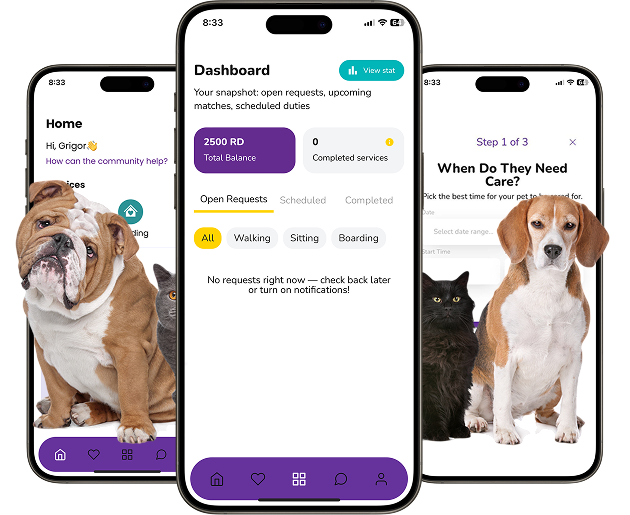
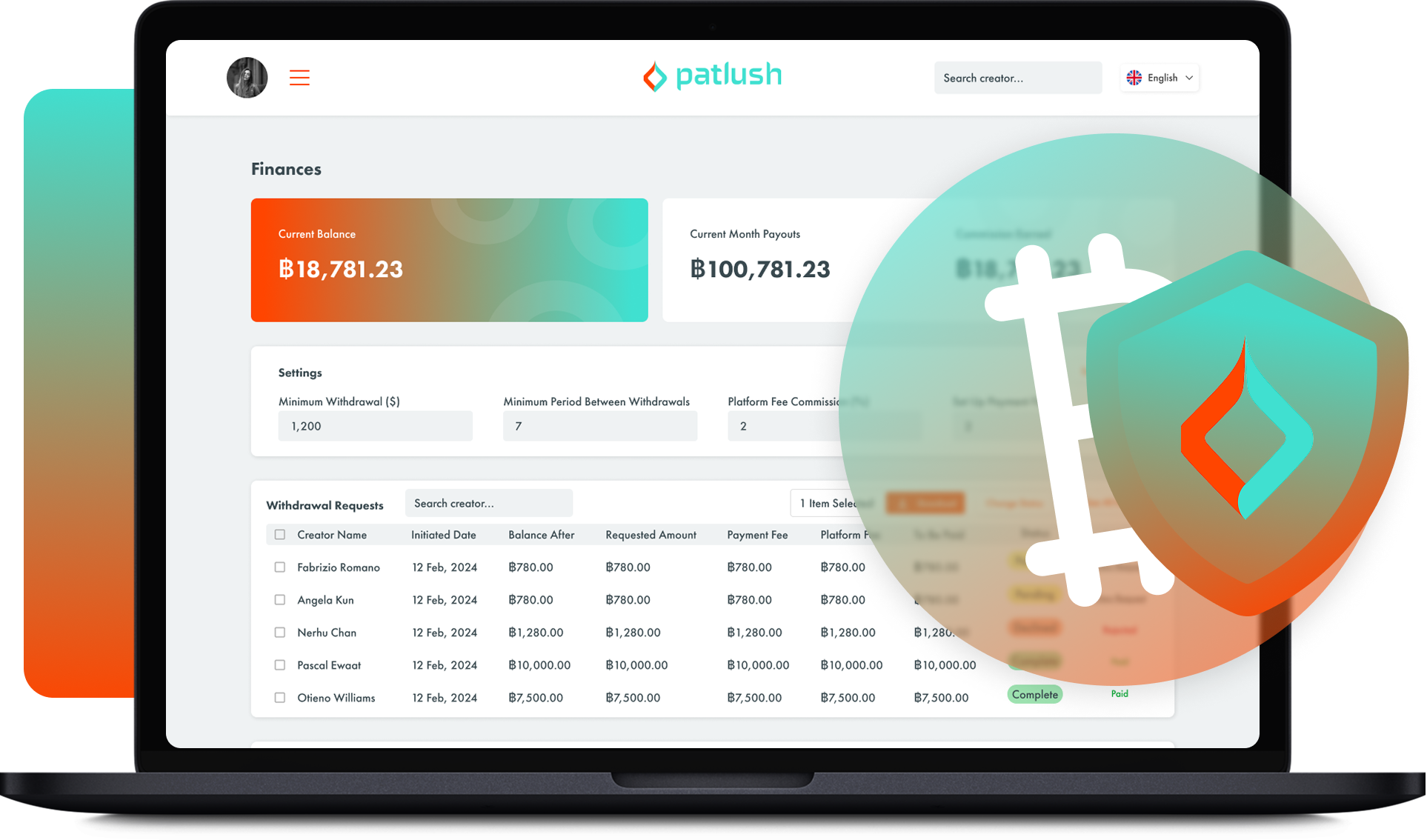
Mobile and app work we’ve shipped where store presence, push notifications, and native-feeling UX mattered — across petcare, creator, and marketplace products. We pick the right mobile approach per project (wrapper, no-code native, or real React Native).
BuildNatively (Natively official), Natively vs Median — pricing comparison, target-audience differences (non-developer vs developer-centric).
App Builder Guides, Best Mobile App Builders 2026: Native vs PWA vs Wrapper — 14 Platforms Tested — five-category landscape, Bubble Native Mobile production-readiness, FlutterFlow positioning.
Goodspeed Studio, Bubble Native Mobile App Builder 2026 Expert Guide — Bubble Native Mobile assessment, wrapper alternatives.
Minimum Code, Bubble Native Mobile vs Wrappers 2026 — wrapper landscape comparison.
Adalo, 9 Best Bubble Alternatives in 2026 — no-code native mobile landscape.
NxCode, Top 10 Bubble Alternatives 2026 — FlutterFlow as a Bubble mobile alternative, code export.
Median.co official documentation — advanced native features, pricing tiers.
Lovable, Native Mobile App vs Web App 2026 — native vs web app trade-off framework.
NerdHeadz Natively engagement experience.
The mobile-app-builder landscape evolved significantly in 2025–2026 — Natively added the AI mobile code generator alongside its original wrapper service, Bubble shipped Bubble Native Mobile (not yet production-ready per Q1 2026 reports), and the wrapper category matured. Verify current Natively pricing, product lineup, and competitive landscape against natively.dev at publish; figures verified as of 2026-Q2.
Let’s scope your mobile app
Building a mobile app — Natively, React Native, or something else? Let’s talk.
30-minute scoping call. Whether you have an existing Bubble or Webflow app needing mobile presence, you’re weighing Natively vs FlutterFlow vs React Native vs Bubble Native Mobile, considering Natively’s new AI mobile code generator, or already on Natively and outgrowing the wrapper — we’ll scope honestly and quote fixed-price. Including the honest answer if Natively isn’t the right call.