Skip to content
UX/UI Design Services

Product design for teams that have to live with what ships

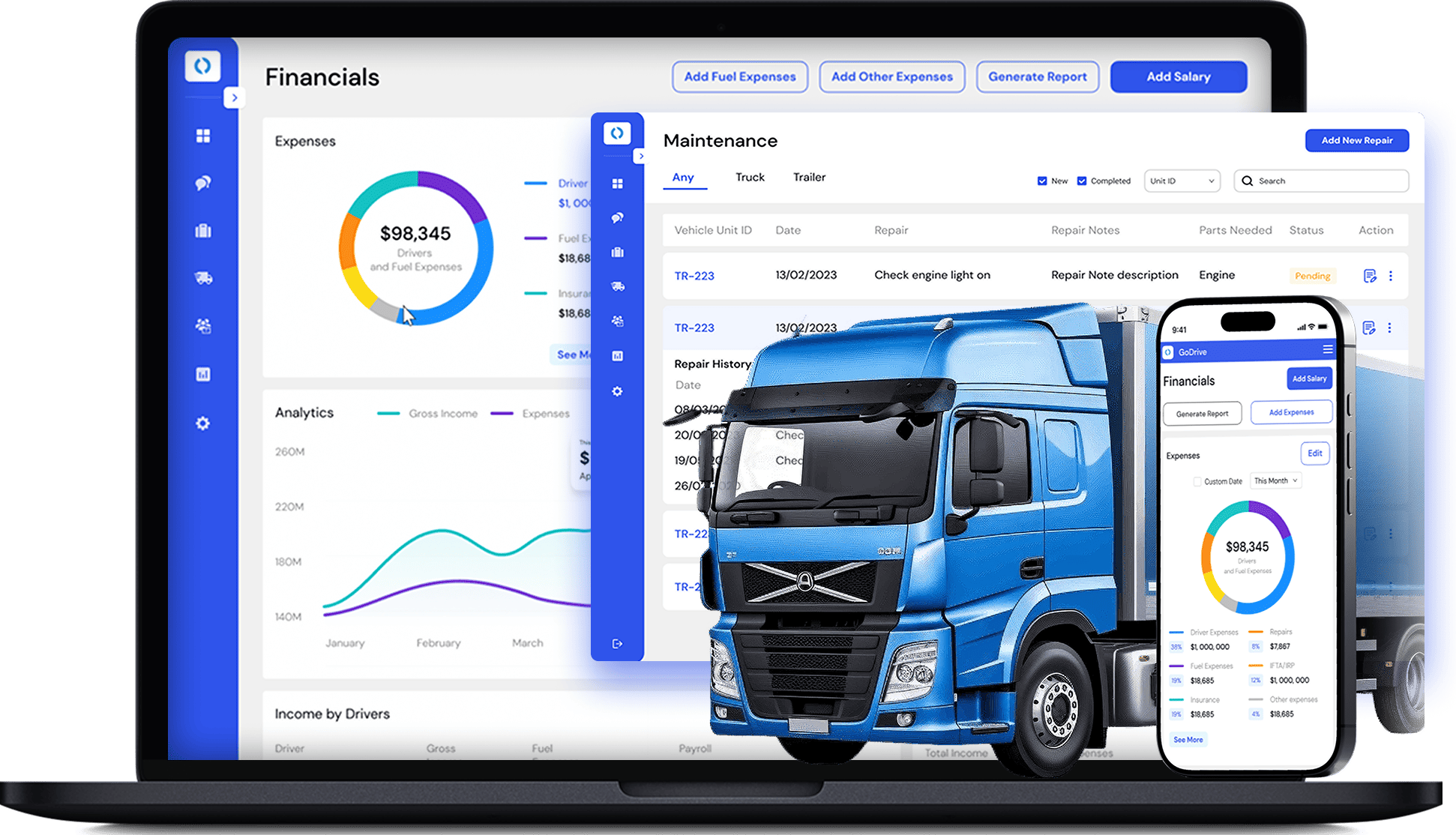
Dashboards, design systems, ERP/CRM interfaces. Pixel-perfect Figma-to-build with the same designer reviewing the live site against the file. We use AI design tools where they help and call them out where they don’t.

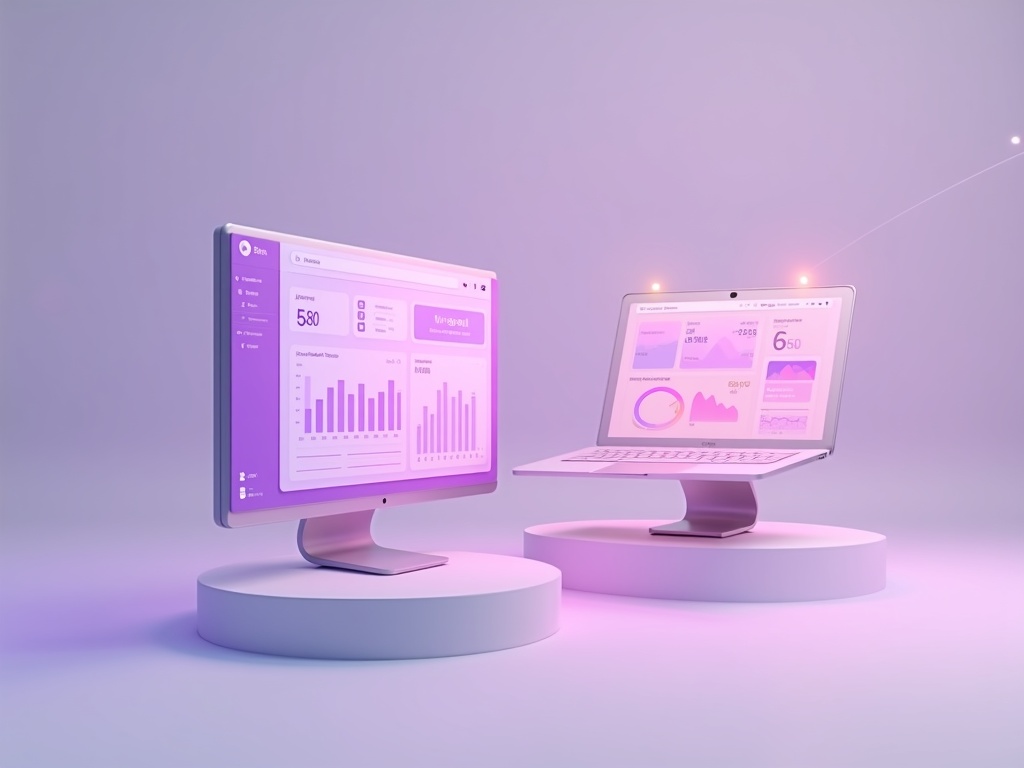
Two parallel screens on a lavender stage — a Figma canvas on the left and a matching live build on the right — connected by alignment lines, representing pixel-perfect QA
60+
Products designed since 2022
100%
Of dev projects start design-locked, not scope-locked
8
Industries with shipped data-heavy interfaces

What UX/UI design actually means when engineers are in the room

UX/UI design is the discipline of making software interfaces that people can use without thinking about the interface. At NerdHeadz, UX/UI design services are delivered by designers who work alongside engineers — not in a separate studio that throws mockups over a wall. That proximity changes the work. Every wireframe is interrogated by “can we build this in the timeline?” Every interaction pattern is checked against the framework’s capabilities. The result is interfaces that ship as designed, not interfaces that get simplified during development because nobody asked whether the animation was feasible.

Bad UX makes the product confusing even when it looks polished. Bad UI makes the product feel cheap even when the flows are logical. We address both, and we measure both.

The distinction between UX and UI matters in practice. UX is the structure — information architecture, user flows, task analysis, error handling, empty states. UI is the surface — typography, color, spacing, motion, visual hierarchy. Both disciplines exist in every screen, but they fail for different reasons.

The AI-design landscape, said out loud

AI design tools are real — and the bullshit-to-signal ratio is also real. Here’s our honest take on the four serious players, after using them on production work.

Manus

Meta-owned autonomous design agent (formerly Butterfly Effect)

What it's good at

Fast concept-to-asset workflows — research-aware image generation, layout exploration, brand-coherent mood boards.

Where it fails

Closed-source, credit-metered, invite-only as of early 2026. Not yet a primary tool for client work.

How we use it

Sometimes — asset generation and competitor mood-boarding.

◐ Use sometimes

OpenAI design surface

GPTs and Operator used for design — image gen, copywriting, browser-controlled tasks

What it's good at

Fast asset generation, image variation, copy generation. Operator is useful for browser-based QA tasks.

Where it fails

Image quality is good, design judgment is not. Useful as an assistant, not a primary surface.

How we use it

Sometimes — image fills, copy variations.

◐ Use sometimes

What we're watching: Figma's MCP server changed the design-to-code loop in 2025 — components can now be read by a coding agent (Claude, Cursor) directly from the Figma file. Design tools talking to coding agents through standard protocols means the design-to-code handoff is finally collapsing.

We don’t fix-price development before design is locked

A fixed-price development quote is a contract. Contracts need stable scope. Scope on a software build comes from finalized designs — not from “here’s our Notion doc” or “here’s a Figma file with 60% of the screens.” We’ve watched too many agencies absorb scope creep because they quoted off mockups that changed in week three.

Our position: the design phase produces a locked Figma file — all screens, all states, design system attached, edge cases drawn. Only then do we quote the build at a fixed price. If you bring a finalized design from another team, we audit it and quote against that. If you bring a sketch, we charge design time-and-materials until the design is locked, then we fix-price.

This isn’t a contractual trick. It’s the same reason architects don’t quote construction costs from a napkin sketch.

Design-locked pricing flowContrast between typical-agency scope-creep flow and our design-locked predictable flow.TYPICALOURSFuzzy briefDev quoteMid-build changesCost overrunDesign lockedDev fixed-pricePredictable buildOn-time ship

How we approach UX/UI design

Audit before design.

Audit before design.

For existing products, we start with heuristic review, analytics data, and session recordings. Most redesigns fail because they treat the current interface as the problem when the actual issue is inconsistent patterns or information architecture that was never planned — just accumulated.

Information architecture.

Information architecture.

IA is the scaffolding UX/UI design hangs on. User flows, screen inventory, state diagrams, navigation models — we do this in Miro or on paper before anything pixel-based. If IA is wrong, polished interfaces on top of it make the problem worse.

Wireframe → high-fidelity → prototype.

Wireframe → high-fidelity → prototype.

Wireframes define the skeleton. High-fidelity builds the visual system. Interactive prototypes handle the things that can only be tested as interactions — animations, transitions, error states, loading patterns.

Usability testing.

Usability testing.

The cost of testing five users is always less than the cost of shipping the wrong pattern to production. Unmoderated for quick validation, moderated for deeper discovery. Testing happens at wireframe stage and again at high-fidelity — as a design tool, not a final gate.

Design system, not one-offs.

Design system, not one-offs.

Components, design tokens, usage documentation — so developers can self-serve without filing design requests for every new screen. A design system is the contract between design and engineering that makes both teams faster.

How we get from Figma to a pixel-perfect live build

Most designs degrade between handoff and launch. Our QA loop catches the drift before it ships.

Pixel-perfect QA loopCircular 4-stage loop: design lock → engineer review → build → designer-led QA → loop back to build until no drift, then ship.1Design lock (Figma)DESIGN PHASE2Engineer reviewBUILD PHASE3Build to stagingBUILD PHASE4Pixel-perfect QADESIGN PHASEDRIFT FOUND → LOOPNo drift → ship
  1. 1

    Design lock (Figma)

    All screens, all states (empty, loading, error, success, edge), design system attached. Engineers can quote off it.

  2. 2

    Engineer review

    Build engineer walks the file with the designer before code. Edge cases clarified, animations checked against the framework, ambiguities resolved.

  3. 3

    Build to staging

    Two-week sprints. Primitives first (buttons, inputs, cards), then patterns, then full screens. Claude Code accelerates the mechanical layer.

  4. 4

    Pixel-perfect QA

    Same designer who made the file reviews the live staging build — screen by screen, breakpoint by breakpoint. Drift gets logged as a QA ticket and fixed before launch.

When UX/UI design actually delivers value

Design solves specific problems — and wastes budget on others. Honest breakdown.

Works well
  • Existing products with real usage data and clear friction in onboarding, activation, or retention flows.
  • Design system overhauls where inconsistency is creating engineering drag.
  • Products where usability testing with real users is possible and stakeholders will act on findings.
  • Data-heavy interfaces that need to scale beyond what an off-the-shelf component library can handle.
  • Product redesigns triggered by funded growth where the interface has to support 10× current usage.
Usually doesn’t work
  • UX design in isolation from engineering — every decision needs a feasibility check.
  • Redesigns where nobody can articulate what’s wrong beyond “it feels old.”
  • Products without analytics instrumentation — you’re designing blind without behavioral data.
  • UX/UI design on products that don’t have product-market fit — fix positioning first, then design.

We say so before we quote. Rather lose the contract than ship you design work that won’t move the metric you actually care about.

The tools we actually use

We're not tool-agnostic out of false neutrality. We use these every day on production work — and we have opinions.

Design source of truth
FigmaFigma MakeFigma First DraftFigma SitesFigJam
AI in the design loop
Claude (design system code + a11y)Manus (assets, mood boards)OpenAI (image fills, copy)
Testing & research
MazeHotjarMicrosoft ClarityLottie
Handoff & QA
Figma Dev ModeFigma MCP serverStorybookChromatic

Industries we design for

Proof · design clients

And the designs keep shipping.

Founders and product leads who hired NerdHeadz for real design work — dashboards, design systems, ERP/CRM interfaces.

01 / 05

This system has been a dream of mine for almost a year. I have tried to build it myself and finally came to the conclusion I needed help. The NerdHeadz team has built me exactly what I was dreaming about and more! Working with them has been an absolute pleasure. I can't thank them enough.

Amy Olson
Founder & Airbnb Listing Strategist, Smart Hosting Hub
3+
Years of industry leadership
30+
Experts ready to build
60+
Projects delivered on time
90%
Client retention
Why NerdHeadz

Why teams pick NerdHeadz for UX/UI design

01

Designers and engineers, same room.

The person who designs your dashboard talks daily to the person who builds it. Designs ship as designed, not as compromised during the build.

02

Honest about AI tools.

We use Figma AI, Claude, Manus, OpenAI — and we’ll tell you when each is useful and when it’s not. You won’t pay for AI theatre.

03

Data-heavy is our strength.

Dashboards, ERP/CRM screens, custom tables, real chart components. We design the interfaces that handle real work — not just hero sections.

04

Pixel-perfect QA loop.

Same designer reviews the live build against the Figma file, screen by screen, breakpoint by breakpoint. Drift gets caught before launch, not after.

FAQ

Frequently asked questions

Because a fixed price needs stable scope, and stable scope on software comes from finalized designs — not from rough mockups or a Notion doc. We’ve watched too many agencies absorb scope creep because they quoted off 60% of the screens. Our position: the design phase produces a locked Figma file with every screen, every state, and the design system attached. Only then do we quote the build at a fixed price. Same reason architects don’t price construction from a napkin.

Let’s scope

Ready to scope your design project?

30-minute scoping call. Tell us what you’re designing — we’ll come back with a recommended approach, a fixed-price quote for the design phase, and an estimate of what build the design will need.